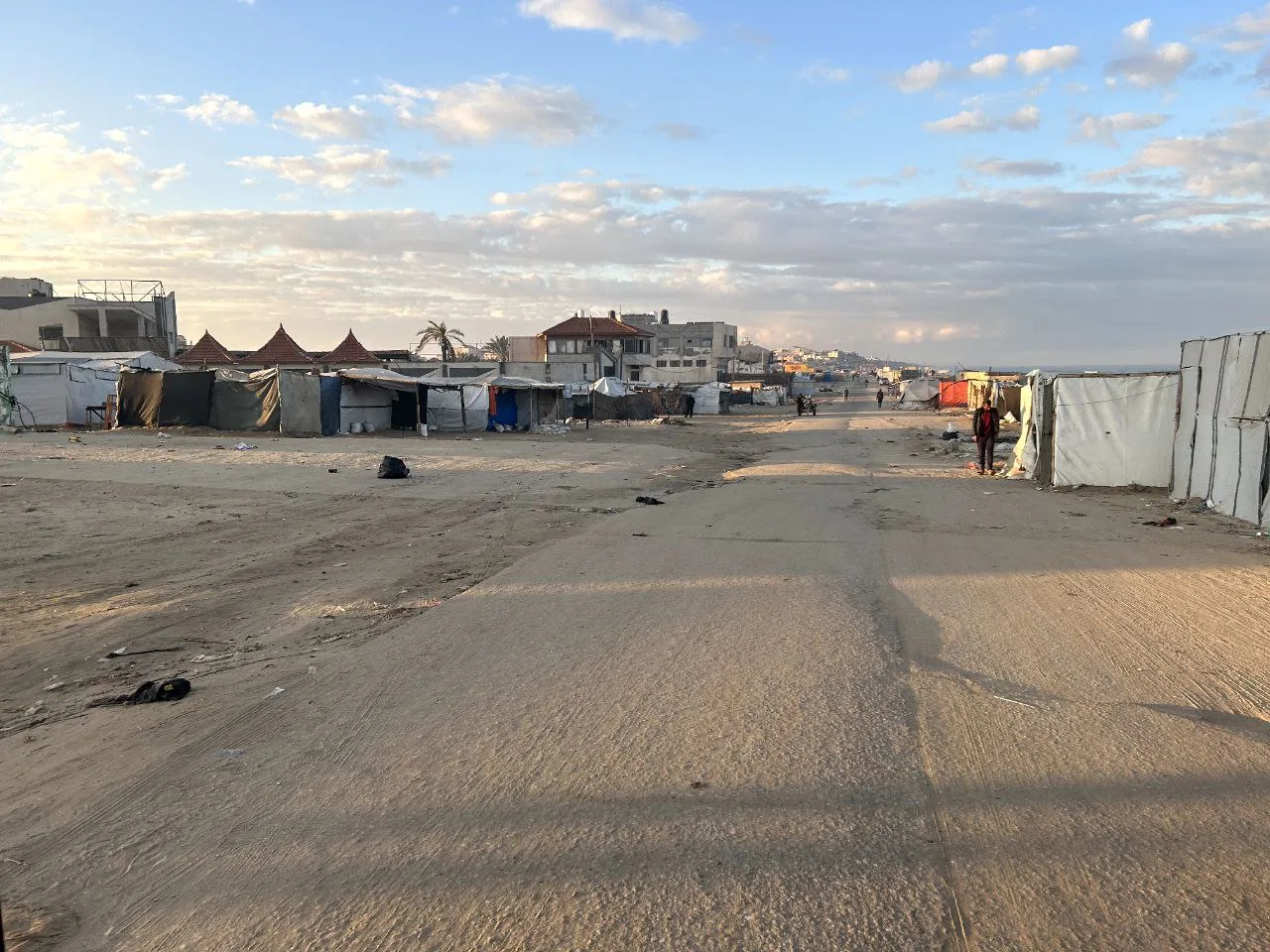
Gaza burn victims treated by Médecins Sans Frontières (MSF) are running out of treatment — not for lack of doctors, but for lack of plastic. A six-year-old girl in a Gaza City tent camp, Masa Yassin, is about to outgrow the clear plastic mask that is holding her burned face together, and the only clinic in Gaza that can print her a new one has exhausted its stock, because Israel has barred MSF from importing any supplies at all since the end of February. Masa Yassin's burns run around the side of her face, behind her ear, over her scalp and down her neck. Her family's tent burst into flames in July when a nearby cooking gas tank exploded — the kind of fire that life in a tent, more than a year after a ceasefire halted the major fighting, makes ordinary. The clear 3D-printed mask she wears manages the swelling and controls the scarring. Without a new one as she grows, her mother says, the scar tissue will grow instead — and the surgery that might then be needed does not exist in Gaza.
Why has MSF been barred from importing supplies?
Because it refused to hand Israel the names of every local staff member it employs in Gaza. Israel banned MSF's international staff from the enclave and barred the group from importing any supplies from the end of February, after MSF declined to submit the lists. MSF's answer is that it cannot provide them without assurances its people would be safe — hundreds of medics have been killed in this war — and that compliance would put its staff in danger. COGAT, the Israeli military unit that controls what enters Gaza, confirmed to Reuters that it barred MSF's imports for failure to comply with its requirements, including staff lists it said were needed to prevent "the misuse of humanitarian aid by terrorist organisations". It said other aid groups, unlike MSF, had complied and were operating freely, that it had approved the entry of more than 24,000 tons of medical supplies, and it rejected accusations of blocking medical aid as a falsehood spread by Hamas. Israel says it allows in all needed medical equipment and supplies. The aid groups trying to treat Gaza's wounded say the restrictions make basic treatment impossible. Between those two positions sits a clinic in Gaza City that has just used up its last sheet of plastic.
What happens to the clinic's patients now?
The stock is gone. "We have now exhausted our stock of plastic sheets and printer filament," said Mohammed Al-Qatrawi, MSF France's supervisor of physiotherapy in Gaza. Technicians at the clinic measured Masa's face to see whether her existing mask can be adjusted to fit her a little longer, because there is nothing to print a new one from. The clinic is treating 70 patients for facial burns, 50 of them children, and 20 need masks urgently — masks the staff decorate with drawings of the Smurfs and SpongeBob SquarePants to make them bearable for a child to wear. If the service halts, Al-Qatrawi said, patients like Masa will "develop scar-related complications that can affect speaking, eating, drinking, vision, and facial movement", and children will be left with worse deformities that could leave them ostracised. MSF's head of mission for Palestine, Filipe Ribeiro, put the dispute's cost in one sentence to Reuters: "A child's mutilated face can no longer receive even a basic treatment, not because the technology or the expertise is lacking, but because Israel imposes a regime under which healing itself is a privilege."
What does one mask say about Gaza's ceasefire?
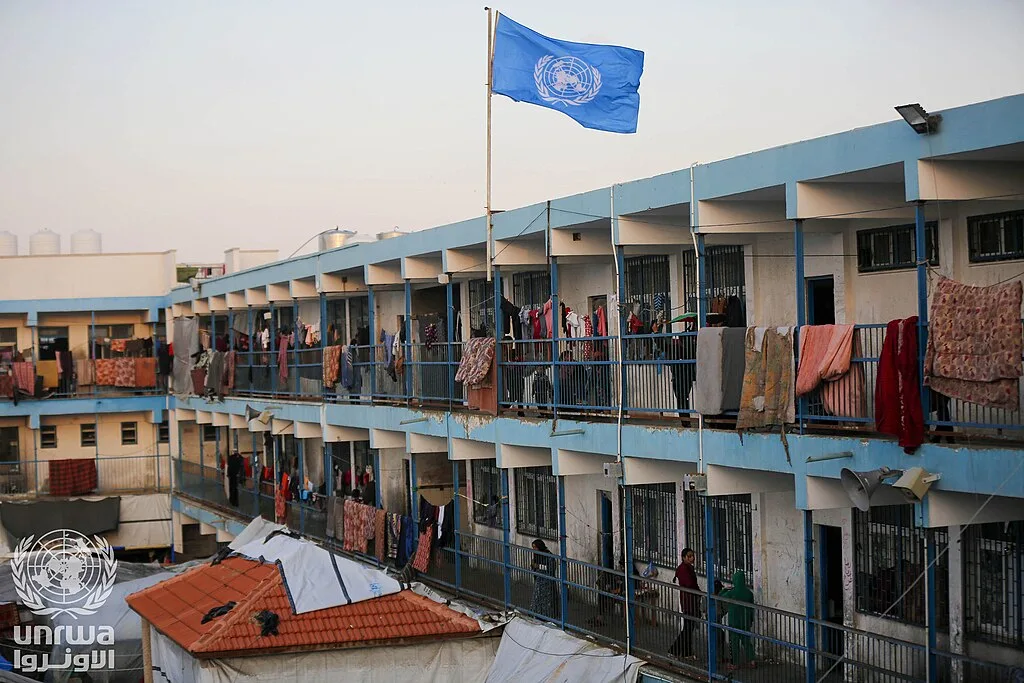
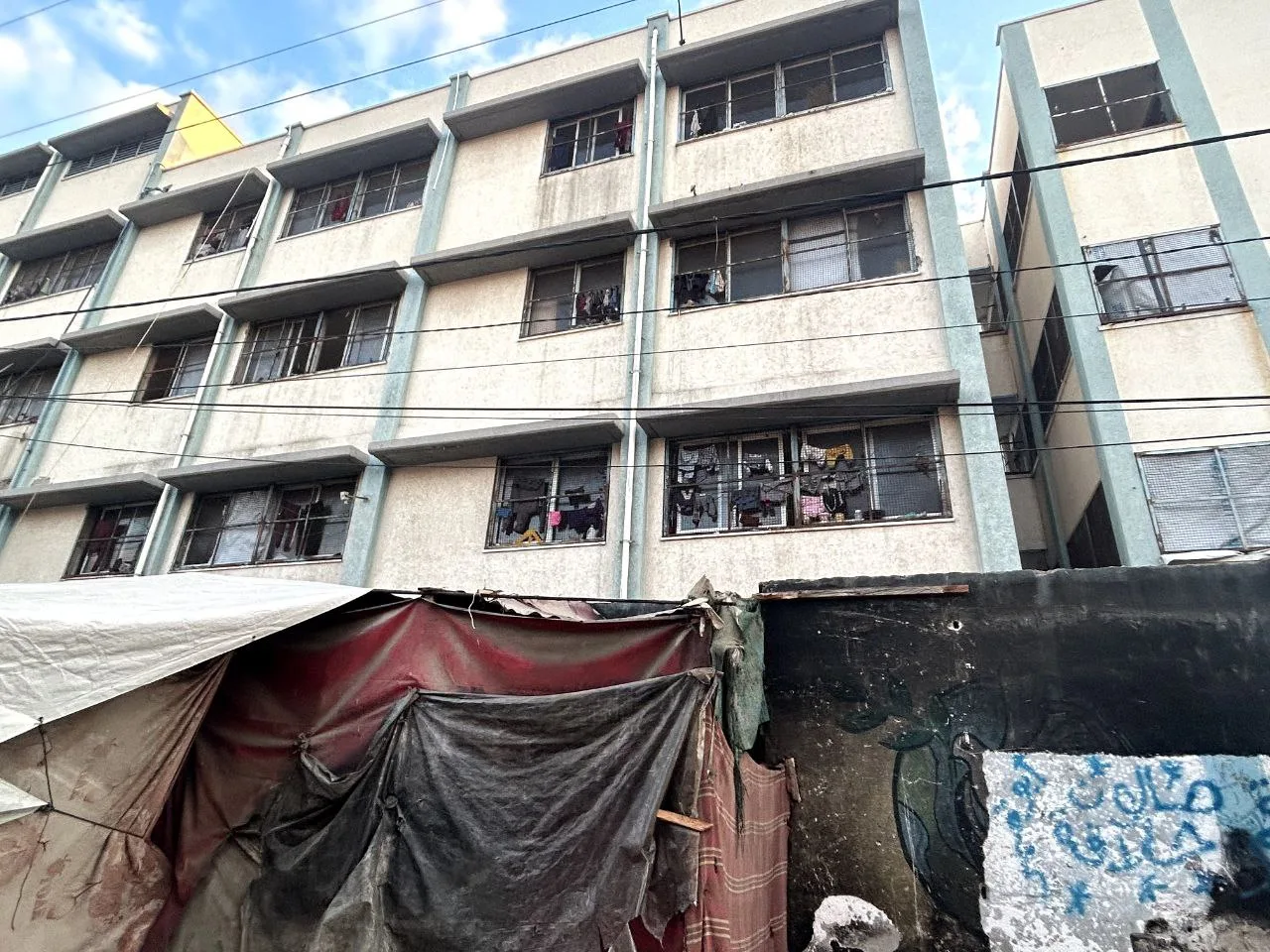
That the war's machinery still governs daily life even where the bombing has stopped — the same machinery this site documented in Gaza's winter shelter crisis and in the stalled file on Gaza reconstruction. More than a year after the ceasefire halted major fighting, Gaza's entire population of more than 2 million people lives confined to around a third of the enclave's territory, mainly in makeshift tents and damaged buildings, and Israeli forces still control everything that enters and exits. A cooking-gas fire in a tent is a ceasefire injury; an exhausted spool of printer filament is a ceasefire shortage. Masa's mother, adjusting the straps of the mask on her daughter's lap in their tent, stated the arithmetic plainly: "Should there be no masks, my daughter will grow more scar tissue. We would have to resort to surgery instead of masks, and there are no such surgeries in Gaza." Outside the tent, Masa plays marbles in the dirt with her twin sister and their younger sister, her face visible beneath the clear plastic — for as long as the mask still fits.
Sources: Reuters (13 November 2026, read in full on reuters.com; byline Nidal al-Mughrabi and Dawoud Abu Alkas). Every fact and quotation in this article is from that single Reuters report, which carries both parties to the dispute in their own words: MSF's account of the import bar, the exhausted stock and the clinic's patient numbers come from MSF officials speaking to Reuters, and COGAT's confirmation of the bar, its staff-list rationale and its 24,000-ton medical-supplies figure are the Israeli military's response, given to Reuters on request. No second outlet had published an independent account of the MSF dispute at the time of writing; the two sides' claims are published here as their claims, not merged.