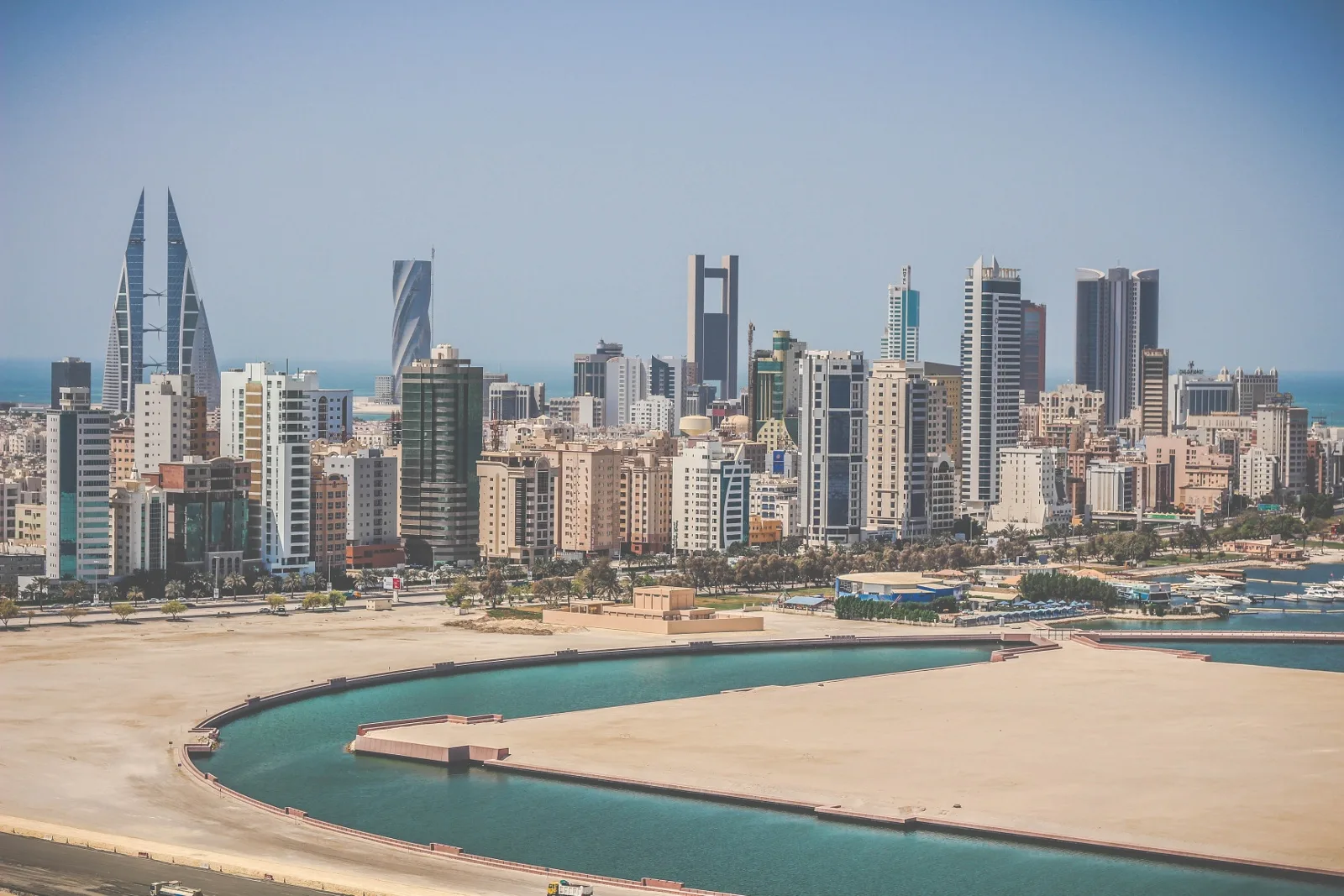
Bahrain said on Sunday that its air defences intercepted and destroyed several Iranian aerial attacks — the first such interceptions by Bahraini air defences since September — after explosions and sirens were heard over the kingdom in the early hours and residents were told to seek shelter. Iran's Islamic Revolutionary Guard Corps said six of its drones targeted a US air defence radar at the Al-Riffa helicopter base. There was no immediate confirmation from US or Bahraini authorities that the radar had been hit, Reuters reported. It was the second Iranian attack on Bahrain in three days.
What happened over Bahrain on Sunday?
The kingdom's own military announced the interceptions. The Bahraini military said its air defences had intercepted several Iranian aerial attacks before they reached their targets, accusing Tehran of continuing its "systematic hostile approach" towards the kingdom, Reuters reported. The Bahraini defence forces said their air defence systems "managed to intercept the air attacks before they could achieve their objectives", AFP reported.
The morning began with warnings. Bahrain issued two separate alerts about potential threats on Sunday, the first such warnings by the Gulf country since September, and its interior ministry urged citizens and residents to remain calm and proceed to the nearest safe location, without providing further details on the threats, Reuters reported. Alarm sirens blared, according to an AFP journalist in the kingdom, and explosions could be heard around 4:00 am local time (0100 GMT), with residents reporting a second series of blasts around 6:30 am (0330 GMT), AFP reported. The interior ministry urged residents in an X post to "remain calm, proceed to the nearest safe location, and follow news through official channels for the protection of public safety", AFP reported.
What did Iran say it targeted?
The Guards named a specific American installation. "The US air defense radar system at the Al-Riffa helicopter base in Bahrain was targeted by six drones belonging to the IRGC Aerospace Force," the Guards said in a statement posted by the Iranian state broadcaster on Telegram, AFP reported. Iran's Fars news agency said the attack on a US military base was in retaliation for "hostile US actions", Reuters reported. The Guards added, in the statement AFP carried: "The Strait of Hormuz is closed, and any aggression by the American enemy will be met with an even harsher and more forceful response."
What the two accounts do not establish is a hit. Reuters reported there was no immediate confirmation from US or Bahraini authorities of the Guards' claim, and neither wire reported damage or casualties from Sunday's attacks in the reporting opened for this article. Bahrain is home to the US Navy's Fifth Fleet, and hosts a major US naval base.
Why does a second attack in three days matter?
Because Friday's launch had already broken a lull that held since September — and Sunday's was answered by Bahrain's own air defences, not only by US forces. On Friday, the Revolutionary Guards said they had attacked a US early-warning radar facility in Bahrain; the US military denied the claim, saying it had intercepted two Iranian drones without any damage, Reuters reported, and US Central Command reported no casualties or damage in that attack, AFP reported. This site reported Friday's exchange on 13 November.
The renewed attacks land while diplomatic efforts to end the almost nine-month conflict have yet to produce a breakthrough, with sporadic attacks continuing despite a broader lull in fighting between the US and Iran, Reuters reported. President Trump has said in recent days that he might hold off from attacking Iran if the US faces no new provocations from Tehran or the Iran-backed Houthis in Yemen, but that he would maintain a US naval blockade, Reuters reported on Saturday. The war began with US and Israeli strikes on Iran on February 28 and spread across the region, with Tehran launching missile and drone attacks on US military bases in Gulf countries, Reuters reported. During the eight months of war, Iran has also restricted shipping through the Strait of Hormuz and struck infrastructure including airports, seaports and energy facilities across the region, AFP reported; CENTCOM said last month it had helped Gulf countries export 1.5 billion barrels of oil since the summer via Hormuz, AFP reported.
Sources: Reuters (15 November 2026, two reports — the interceptions report read in full via BusinessWorld, a rostered Reuters verbatim carrier, and the interior-ministry alerts report read in full on reuters.com) and AFP (15 November 2026, read in full via Arab News, carried by the rostered byteseu.com carrier). The interceptions are Bahrain's account, carried by both wires from the Bahrain Defence Force's statement — one chain, disclosed here; AFP's journalist independently heard the explosions and sirens in the kingdom. The claim that six drones targeted, or hit, the US radar at Al-Riffa is the Revolutionary Guards' claim, published here only as that attributed claim: Reuters reported no immediate confirmation from US or Bahraini authorities, and no damage or casualties from Sunday's attacks were reported in the sources opened. France 24's version of the AFP report could not be opened in this environment (the domain is blocked); the AFP text used here is the Arab News carriage of the same wire report. The market figures in the snapshot box are Friday's settlements, checked at publish time via finance-vertical search; futures markets were closed on Sunday and no source opened for this article attributed a market move to Sunday's developments.