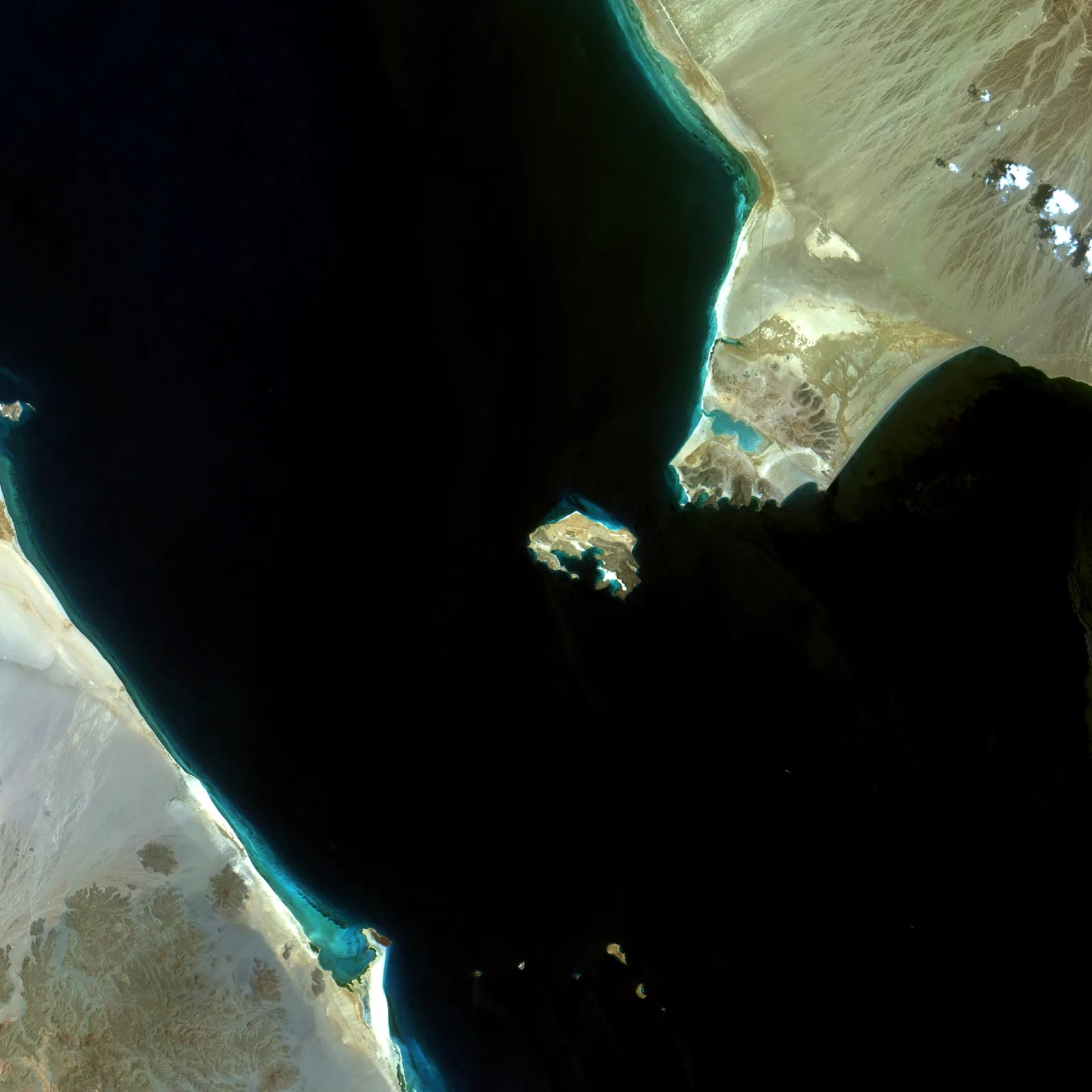
Yemeni forces fighting for the internationally recognised, Saudi-backed government said on Sunday that they were withdrawing from the area overlooking the Bab el-Mandeb Strait, and Reuters reported that the withdrawal leaves the Iran-aligned Houthis in control of the area overlooking one of the world's busiest shipping chokepoints. The Southern Armed Forces said they were redeploying from Dhubab Airport and the Bab el-Mandeb area, west of Taiz Governorate, towards Aden, where the government is based. The same day, the Saudi-led coalition said it had intercepted two Houthi ballistic missiles launched towards Riyadh and three drones in Saudi Arabia's Eastern Province.
What did the government forces announce?
The announcement came from the withdrawing force itself. "The Southern Armed Forces announce the implementation of a redeployment operation for its forces from Dhubab Airport and the Bab el-Mandeb area, west of Taiz Governorate," the southern forces said in a statement reported by Reuters. "This step is taken based on the priority of securing the capital, Aden, and the neighbouring governorates, as well as strengthening the front lines and addressing existing threats."
Reuters reported that the withdrawal leaves the Houthis in control of the area overlooking the strait. The Houthis control much of Yemen's north, including the capital Sanaa and the country's most populous areas, and have increased pressure on the southern areas still under government control, Reuters reported. The withdrawal reverses the government's own campaign: government forces launched a military operation in October to recapture the strategic coastal areas after the Houthis pushed south in September in an attempt to seize control of Yemen's entire Red Sea coast, an offensive that brought them within reach of Bab el-Mandeb, Reuters reported.
Why does control of Bab el-Mandeb matter?
The strait is one of the world's most important and busiest routes for global seaborne commodity and goods shipments, particularly from Asia to Europe via Egypt's Suez Canal, Reuters reported. Reuters said the government's retreat hands the Houthis greater leverage over the maritime chokepoint, creating a potent pressure point on global shipping while Iran continues to disrupt traffic through the Strait of Hormuz on the other side of the Arabian Peninsula.
The escalation in fighting, which broke a 2022 UN-brokered truce, has become another front in the wider US-Israeli war on Iran, as the Houthis continue to launch attacks on Saudi Arabia, the world's biggest crude exporter, Reuters reported. Inside Yemen, fighting is intensifying around the western region of Taiz: the city hosts about half of the 300,000 people displaced across Yemen by the latest fighting, remains besieged, and aid supplies are unable to enter while civilians are unable to leave, Reuters reported. More than 340,000 people have been displaced by fighting in Yemen since August, according to the International Organization for Migration, cited by Al Jazeera.
What happened over Riyadh and the Eastern Province?
The Saudi-led coalition said on Sunday that it had intercepted two Houthi ballistic missiles launched towards Riyadh and three drones in the kingdom's oil-rich Eastern Province, Reuters and Al Jazeera reported. Both outlets carried the coalition's account: spokesperson Turki al-Maliki said in a post on X early on Sunday that air defences "intercepted and destroyed two ballistic missiles launched by the Houthi terrorist militia towards Riyadh", and that coalition forces also shot down three drones in the Eastern region on Sunday, Al Jazeera reported. On Saturday, al-Maliki had said two suspected Houthi drones were intercepted and destroyed in the Riyadh and southern regions.
The Houthis have intensified attacks on the Saudi capital in recent days, and an attack last week damaged an administrative building of Saudi Aramco in Riyadh's financial hub, Reuters reported. The Eastern Province contains the majority of the kingdom's oil and gas reserves and is home to Aramco's headquarters, which suffered extensive damage in an attack in October, Reuters reported. At least 26 people have been killed in suspected Houthi drone and missile attacks in Saudi Arabia since September 23, according to the kingdom's authorities, cited by Al Jazeera. The US Embassy in Riyadh issued a nationwide security alert on Saturday urging Americans to exercise "heightened vigilance", citing an increased threat of Houthi attacks, and warning that hostilities could spread "rapidly", Al Jazeera reported.
Sources: Reuters (15 November 2026, two reports, both read in full on reuters.com) and Al Jazeera English (15 November 2026, read in full via the rostered 234radio.com verbatim carrier). The withdrawal was announced by the Southern Armed Forces in their own statement, quoted by Reuters; Reuters' assessment that the withdrawal leaves the Houthis in control of the strait area is reported here as Reuters reported it, and no second-tier source confirming the resulting control of the area had been published when this article was written. The missile and drone interceptions are the Saudi-led coalition's account, carried by both Reuters and Al Jazeera from the same coalition statement — one chain, disclosed here — and the attribution of the launches to the Houthis is the coalition's. The market figures in the snapshot box are Friday's settlements, checked at publish time via finance-vertical search; futures markets were closed on Sunday and no source opened for this article attributed a market move to Sunday's developments.