Ukraine power plants are being rebuilt by hand, under air-raid alerts — and it may still not be enough: Russia has attacked three of DTEK's power stations with dozens of missiles and drones already this November, forcing each to halt generation, and Kyiv is already going without electricity for up to 18 hours a day, Reuters reported from inside one ruined plant. The repair race is the ground truth beneath this winter's strike campaign, which this site has tracked station by station — most recently in Friday's Samara strike report, which carried the same day's Zaporizhzhia and Odesa tolls. What Reuters' visit adds is the mechanics: hundreds of workers clearing debris with shovels and wheelbarrows to reach buried turbines and boilers, retreating to Soviet-era shelters at every alert, in a plant whose location DTEK asked not to disclose.
What did Reuters find inside the wrecked plant?
A workforce restarting, again, from zero. "Right now, everyone has shovels and wheelbarrows as we try to reach the equipment," said Oleksiy, a technician who asked to be identified only by his given name. "The main thing is to get to it, assess its condition and only then make plans for repairs and restoration." The latest strike on his plant, early one morning this month, tore apart its roof and walls and was, he said, the most devastating yet — one that could leave an entire region without heat and electricity this winter. DTEK's workers have restarted its plants from scratch more than 70 times during the war. "They (the Russians) seem obsessed with leaving us without electricity and heating, and they stick to that goal," Oleksiy said. "But we restore what they destroy and keep working." Mykhailo, 46, a senior power-unit operator, described working by lamplight powered by portable generators: "It's hard to live through all this when you know the missiles are coming specifically for you, that you are a target." The cadence is accelerating. Last winter — the coldest of the war — DTEK's five plants came under heavy attack 11 times across the whole season. This November, the heating season's first month, three of its plants have already been hit hard enough to stop generating.
Why is this winter different for Ukraine's air defence?
Because the United States has cut deliveries of Patriot interceptors and Russia's new jet-powered drones are harder to shoot down. Those are the two changes Reuters reported. First, the shield is thinner: Ukraine has struggled to protect its plants after the US cut deliveries of Patriot interceptors — the only weapon in Kyiv's arsenal capable of stopping Russian ballistic missiles — amid a global shortage. Second, the threat is faster: Russia has deployed new jet-powered attack drones, more difficult to down because of their speed, stretching defences already short of interceptors. Russia resumed large-scale attacks on energy infrastructure in mid-autumn, Reuters reported, seeking to weaponise Ukraine's winters as it has every year since the 2022 full-scale invasion; Moscow denies deliberately targeting civilians. The structural backdrop is a generation fleet already halved: thermal plants produced more than 30 percent of Ukraine's electricity before the war, their share has fallen sharply after repeated attacks, and the country's three nuclear plants now account for the lion's share of output. DTEK previously operated eight thermal plants and dominated coal-fired generation; Russia has occupied or destroyed three of them. After summer repairs, Energy Minister Denys Shmyhal forecast capacity would reach 19.6 gigawatts by November — roughly half the pre-war level, but in line with last winter's peak consumption. Reuters could not confirm whether capacity actually reached that level.
Why does Ukraine export power while Kyiv sits in the dark?
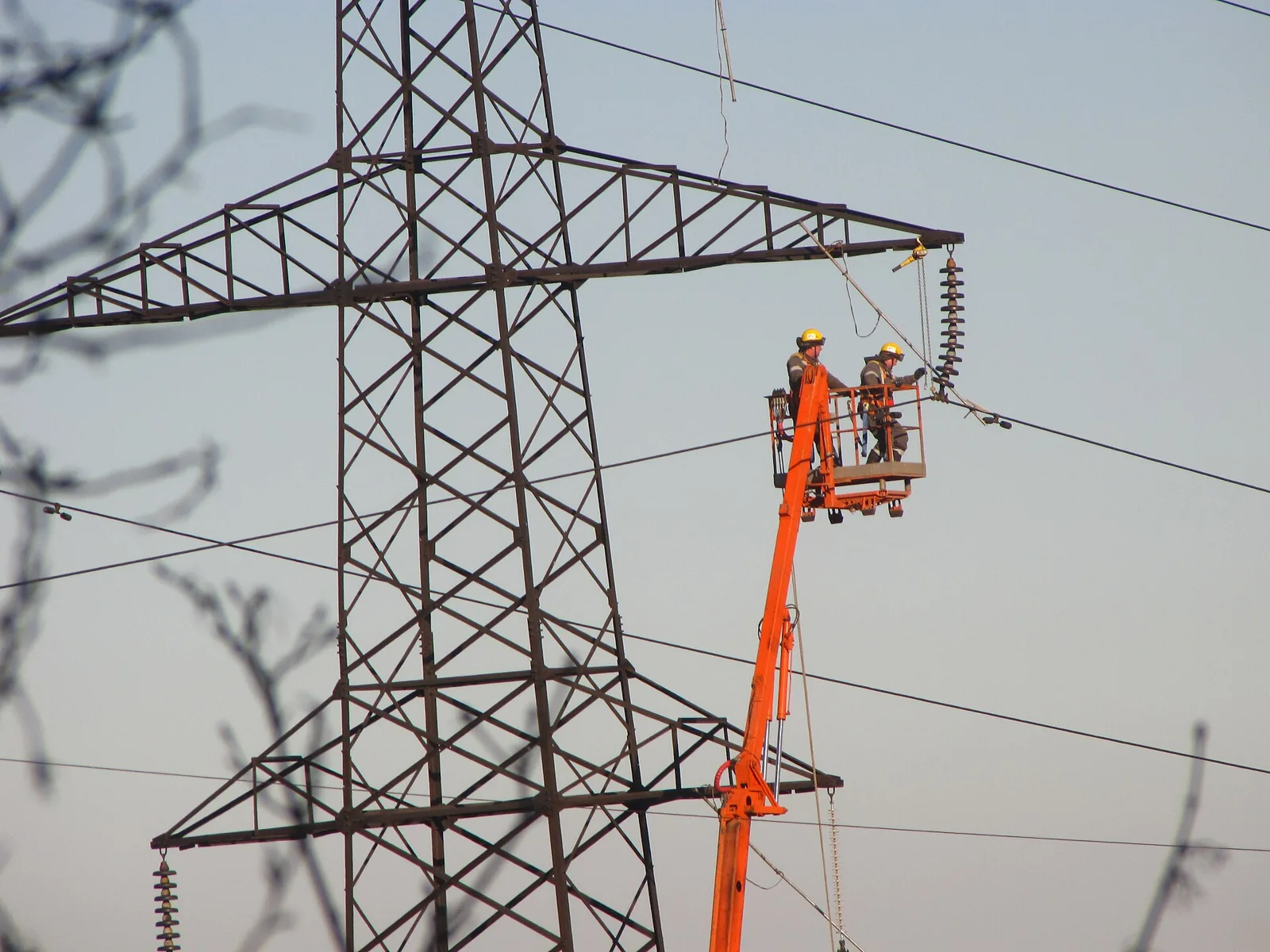
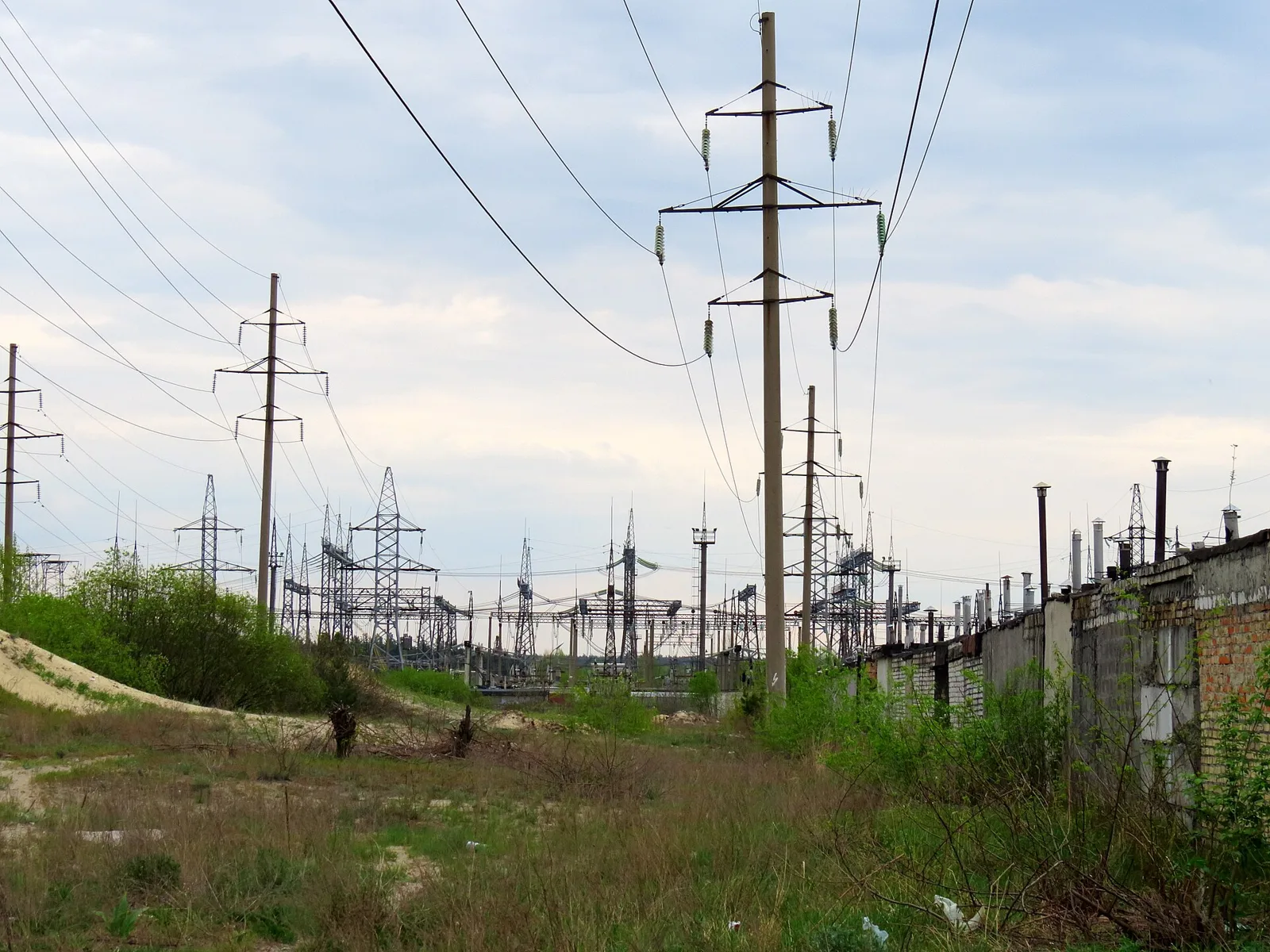
Because the newest target is not the power station but the wire. DTEK's chief executive, Maxim Timchenko, told Reuters that Russia is now also targeting transmission lines to stop electricity from operating plants in western and southern Ukraine reaching consumers in the centre and east, where local generation has been heavily damaged — and that the substations linking Ukraine's nuclear plants to major cities have become particular targets, though both sides have avoided striking the nuclear stations themselves. The result is a grid split in two: central and eastern regions, including Kyiv, without electricity for up to 18 hours a day, while western plants export significant volumes to Eastern Europe because their power cannot travel east. DiXi Group, a Kyiv-based energy think tank, measured the paradox in a single week: electricity exports up just over 40 percent between November 2 and 8, while up to two-thirds of Ukrainian consumers could simultaneously have been experiencing blackouts. "We have enough power generation in the country," Timchenko said. "The problem is about transmission." And on recovery, he offered no timetable: "It's difficult to say how quickly we can recover. So we do everything possible to make enough power generation capacity in Ukraine to get through the winter." That is the winter now beginning — a repair army with shovels, a shortened interceptor stock, and a grid whose weakest point has moved from the boiler hall to the pylon line.
Source: Reuters (13 November 2026, read in full on reuters.com). This is a single-source Tier 1 feature report, published as such: every figure and quotation above is Reuters' own reporting from the plant visit and its interviews with DTEK's chief executive and workers, and is attributed to Reuters throughout. Moscow's denial of deliberately targeting civilians is Reuters' line and is carried where Reuters carried it. No second outlet opened in this run independently reported the plant visit; the November strike cadence (three DTEK plants halted) is consistent with, but not corroborated by, this site's own strike coverage linked above.