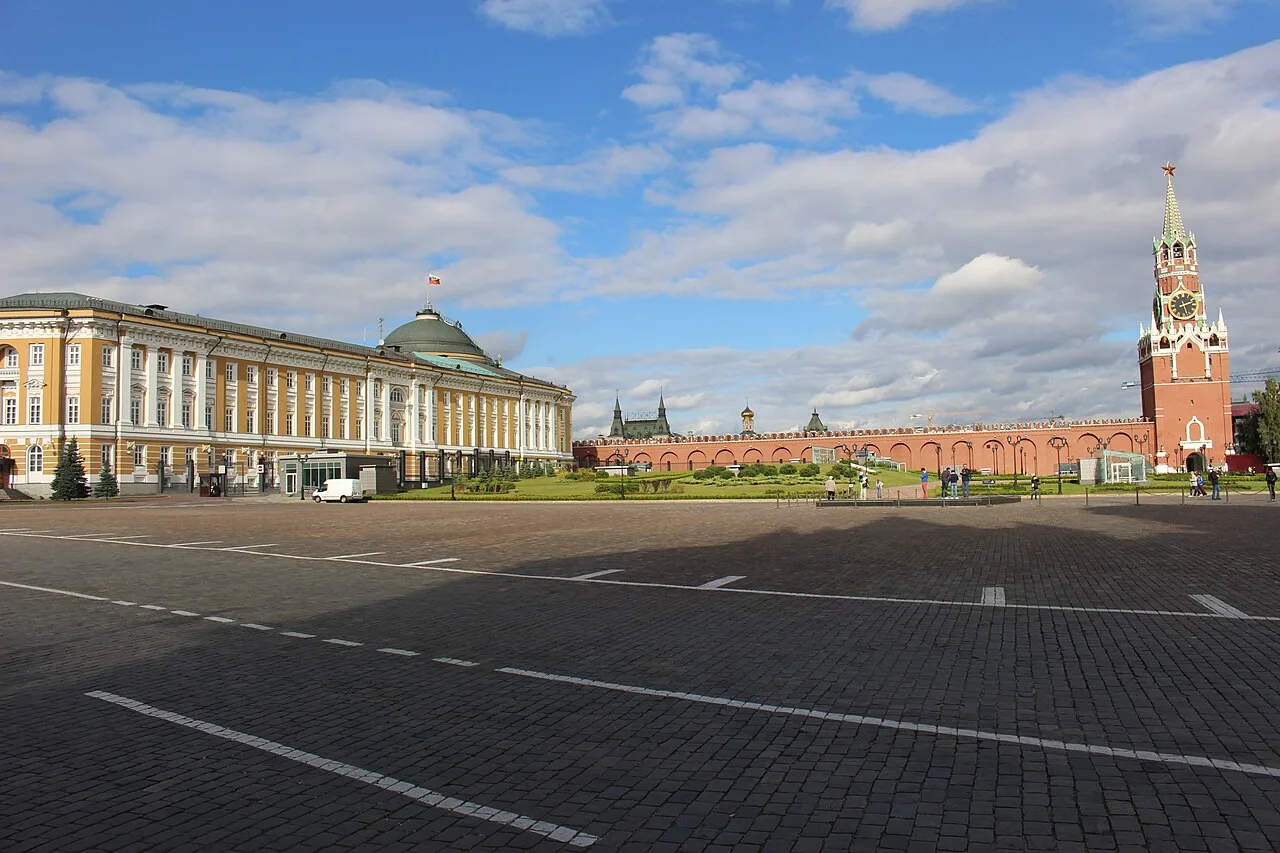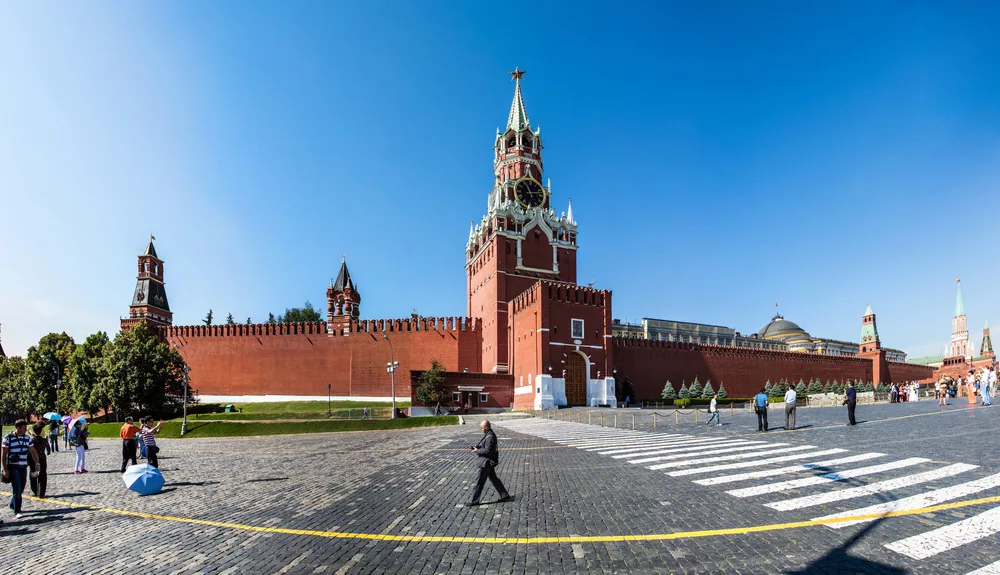
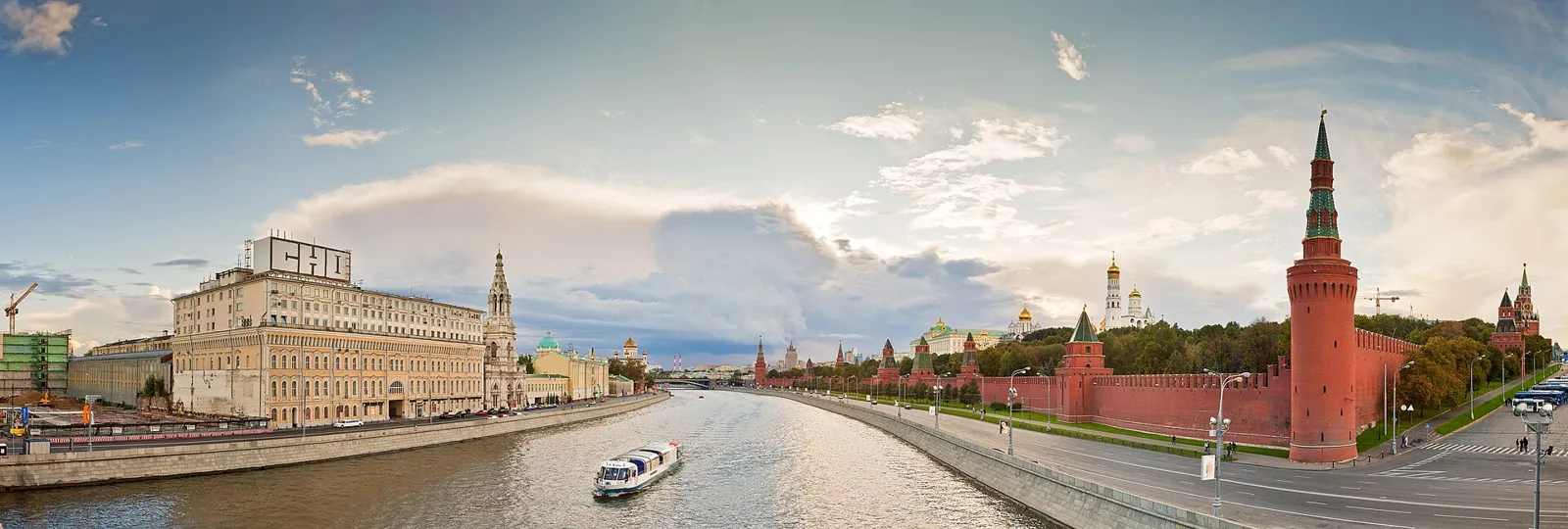
US envoys Jared Kushner and Steve Witkoff arrived in Moscow on Thursday for talks with Russian President Vladimir Putin, the tenth in-person meeting between Witkoff and Putin, Reuters reported. Kirill Dmitriev, Putin's special envoy, met them off their plane amid wet snow — at Vnukovo Airport, CNN specified — and accompanied them to central Moscow ahead of Kremlin talks expected in the first half of the day. They landed hours after Russia's massive overnight strike on Ukraine killed a woman in a Kyiv apartment block, and a day after the Abu Dhabi talks ended with a planned major prisoner exchange and nothing else public. The Moscow stop is the shuttle's middle leg: Abu Dhabi on Tuesday and Wednesday, the Kremlin on Thursday, then Dublin and President Zelensky.
What are the envoys trying to do in Moscow?
Finalise the one thing Abu Dhabi produced, and widen the table, on Kushner's own account. Speaking after Wednesday's talks, which ended after fewer than two hours, he said the purpose of the Moscow meeting was to finalize plans for more humanitarian relief and the release of prisoners, as well as to push to "get Europeans added to the format so we can make this a multilateral format." Ukraine has long argued that Europe should be at the main negotiating table; Moscow has so far resisted exactly that. The resistance was on the record before the envoys landed: Foreign Minister Sergey Lavrov criticized the presence of European officials in Abu Dhabi earlier this week, calling their involvement not a "promising approach," and Kremlin spokesperson Dmitry Peskov said on Wednesday, "No such contacts were planned, and none took place," when asked about contact with EU representatives. Whether Putin moves on the format is the meeting's first test.
What state did Abu Dhabi leave the negotiation in?
With a prisoner exchange and a deadlock. This week's talks were the first direct negotiations between Russia and Ukraine mediated by the US in nine months — CNN dates the format's last round to February — and although Russian and Ukrainian negotiators reported some progress, the US side said differences remained on major issues, including territory. Kyiv has strongly rejected Putin's demands to surrender the whole of the eastern Donbas region in return for peace, and with talks deadlocked on land, US mediators have tried to steer discussion towards postwar security guarantees and reconstruction, Reuters reported. Despite public optimism from President Trump, Reuters added, there has been no sign of major compromises. Zelensky's own welcome to the Abu Dhabi outcome was muted in the Press Association reporting: the proposed prisoner exchange was a positive step, and Ukraine will not give in to demands that it cede territory occupied by Russia in exchange for peace.
What else is on the table — Europe's security architecture?
A Russian float, and a European refusal. A senior Russian diplomat said on Wednesday that Moscow could conclude non-aggression pacts with NATO member states as part of a new security architecture for Europe, Reuters reported. Many European politicians say they oppose any discussion of Europe's overall security before real progress on Ukraine — including a ceasefire — is made. That sequencing fight is the same one running through the format question: Moscow wants the widest possible agenda discussed on its timetable, Kyiv and its European backers want a ceasefire and Ukrainian terms settled first, and the American envoys are flying between all three positions in a single week. What the Kremlin meeting produces — a finalised exchange, a widened format, or only another round of statements — will be known from what the two sides say afterwards; nothing in the arrival reporting opened for this article pre-judges it. The envoys' next stop is not in doubt: after Putin, Kushner and Witkoff fly to Dublin to meet President Zelensky and discuss the Abu Dhabi ideas with him.
Sources: Reuters (12 November 2026, dateline Moscow, published 07:25 UTC, read in full via the rostered Reuters carrier kwsn.com); CNN (12 November 2026, read in full, crawled 10:08 UTC); Press Association report (12 November 2026, read in full via the Glasgow Times). The arrival is carried by Reuters, CNN and the PA report independently, and the Kremlin talks' expected first-half-of-day timing is Reuters'; the tenth-meeting count is Reuters'; the Dublin leg is CNN's and the PA report's; the Zelensky welcome is the PA report's. The non-aggression-pact float and the European-politicians' response are Reuters'; the Kushner purpose quote, the Lavrov criticism and the Peskov quote are CNN's. No outcome of the Kremlin meeting had been reported when this article was published. No market snapshot box is included: the oil move opened this run was reported by Reuters as a general easing of geopolitical risk premium across the Middle East and the Ukraine talks, and is carried in today's strike report, where the snapshot belongs.