Skip to content

Region

Asia-Pacific

The Taiwan Strait, Myanmar, and regional security — why these flashpoints matter and what is actually happening.

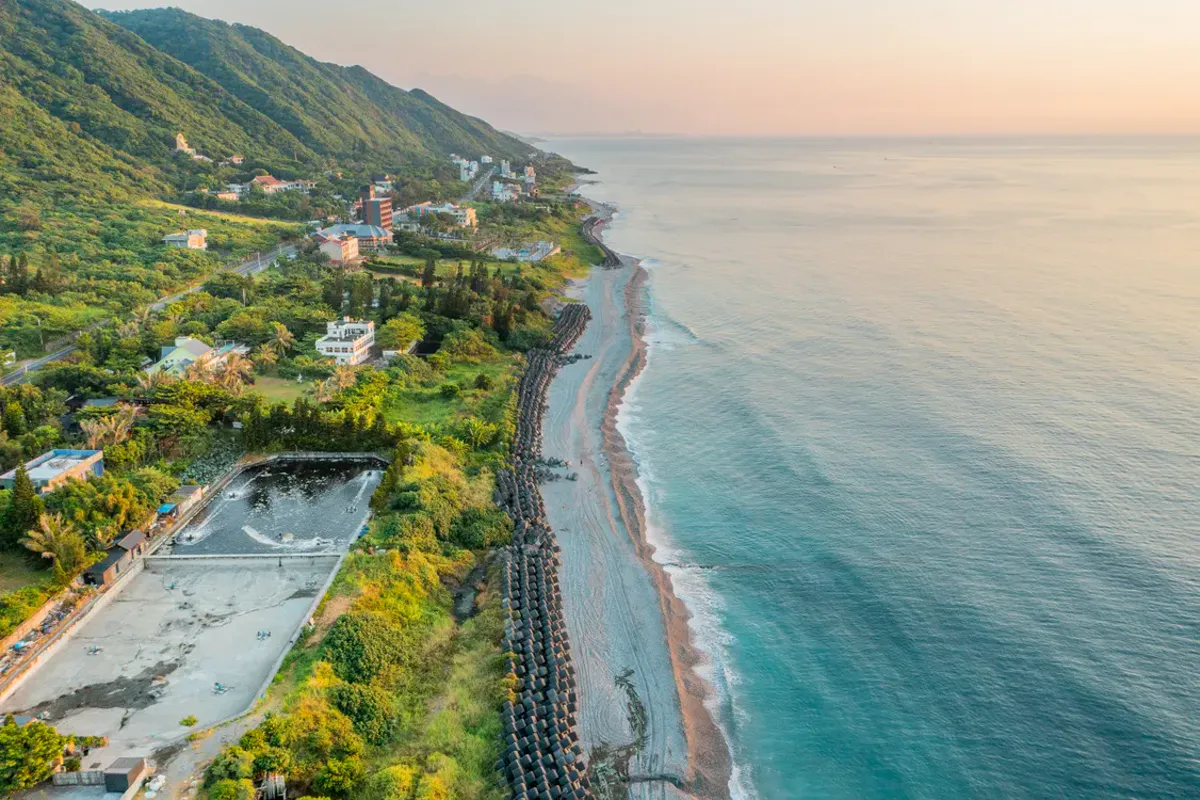
Taiwan's eastern coastline at sunset, seen from above. Photo: Pexels
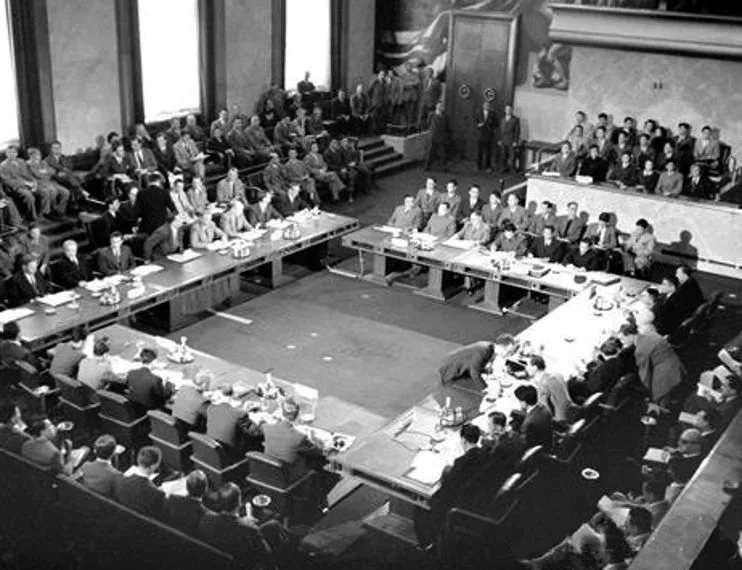
Delegations seated in plenary session at the Geneva Conference on Indochina in 1954, the conference that ended the war. The photograph shows diplomats at the conference tables, not any fighting.
HistoryAsia-Pacific

The First Indochina War (1946–1954), explained: France tried to restore its Indochina empire after 1945, and the Viet Minh — Ho Chi Minh's independence movement, commanded in the field by Vo Nguyen Giap — fought it first as a guerrilla insurgency and then, after Communist China's victory in 1949 supplied it with heavy weapons, as a conventional army. The war ended when Giap surrounded some 15,000–16,000 French Union troops at Dien Bien Phu and overran the garrison on 7 May 1954, after the siege of 13 March–7 May 1954. The Geneva Accords of 20 July 1954 dissolved French Indochina and divided Vietnam provisionally at the 17th parallel, promising reunification elections in July 1956 that were never held. The compiled record puts total deaths at 400,000–842,707, with civilian deaths estimated at 125,000–400,000 — ranges this article publishes with their attributions rather than as a single total.

By War Info Hub Research Desk · November 6, 2026 · 18 min read

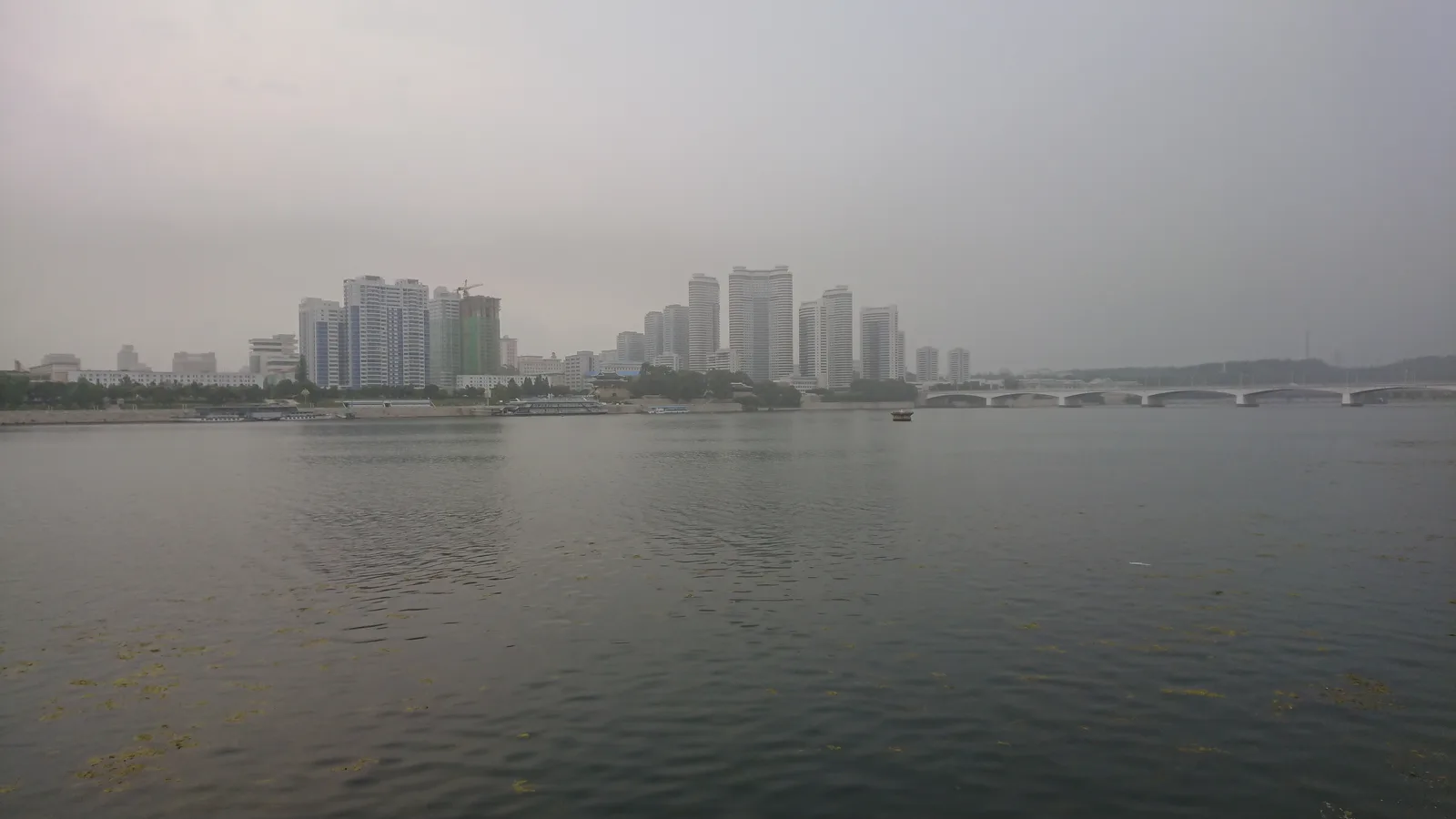
Pyongyang, North Korea's capital, seen from the Juche Tower across the Taedong River (file photo). Wednesday's missiles were fired from the Sondok area on the east coast, South Korea's Defence Ministry said. This photo does not depict any event reported in this article.
Situation ReportAsia-Pacific

North Korea missiles fired from the Sondok area toward the sea off the east coast on Wednesday were Pyongyang's fourth weapons launch in a month, South Korea's Defence Ministry said — hours after Kim Yo Jong, the sister of Kim Jong Un, ruled out dialogue with Washington until the US abandons what she called its hostile policy, and denied the FBI's accusation over the theft of more than $6 billion in crypto assets from Binance.

By War Info Hub Research Desk · November 4, 2026 · 5 min read

Allied troops assembled inside the Forbidden City in Beijing for a victory celebration on 28 November 1900, after the relief of the legations. United States National Archives photograph; the parade is shown, not any fighting.
HistoryAsia-Pacific

The Boxer Rebellion (1899–1901), explained: the Society of Righteous and Harmonious Fists — the 'Boxers' — rose in drought-hit Shandong against missionaries, Chinese Christians and the foreign privileges built up since the Opium Wars; the Qing court under Empress Dowager Cixi backed them, declared war on the treaty powers on 21 June 1900, and besieged Beijing's legations for 55 days. An Eight-Nation Alliance relief force took Beijing on 14 August 1900, the court fled to Xi'an, and the Boxer Protocol of 7 September 1901 imposed an indemnity of 450 million taels of silver — about one tael for every person in China, more than the government's annual tax revenue — payable over 39 years at 4 per cent interest, for a total of 982,238,150 taels with interest included. Death tolls have varied widely: Britannica puts the total at up to 100,000 or more, the great majority civilians, while a compiled tabulation records 32,000 Chinese Christians and 200 Western missionaries killed in northern China.

By War Info Hub Research Desk · November 4, 2026 · 17 min read

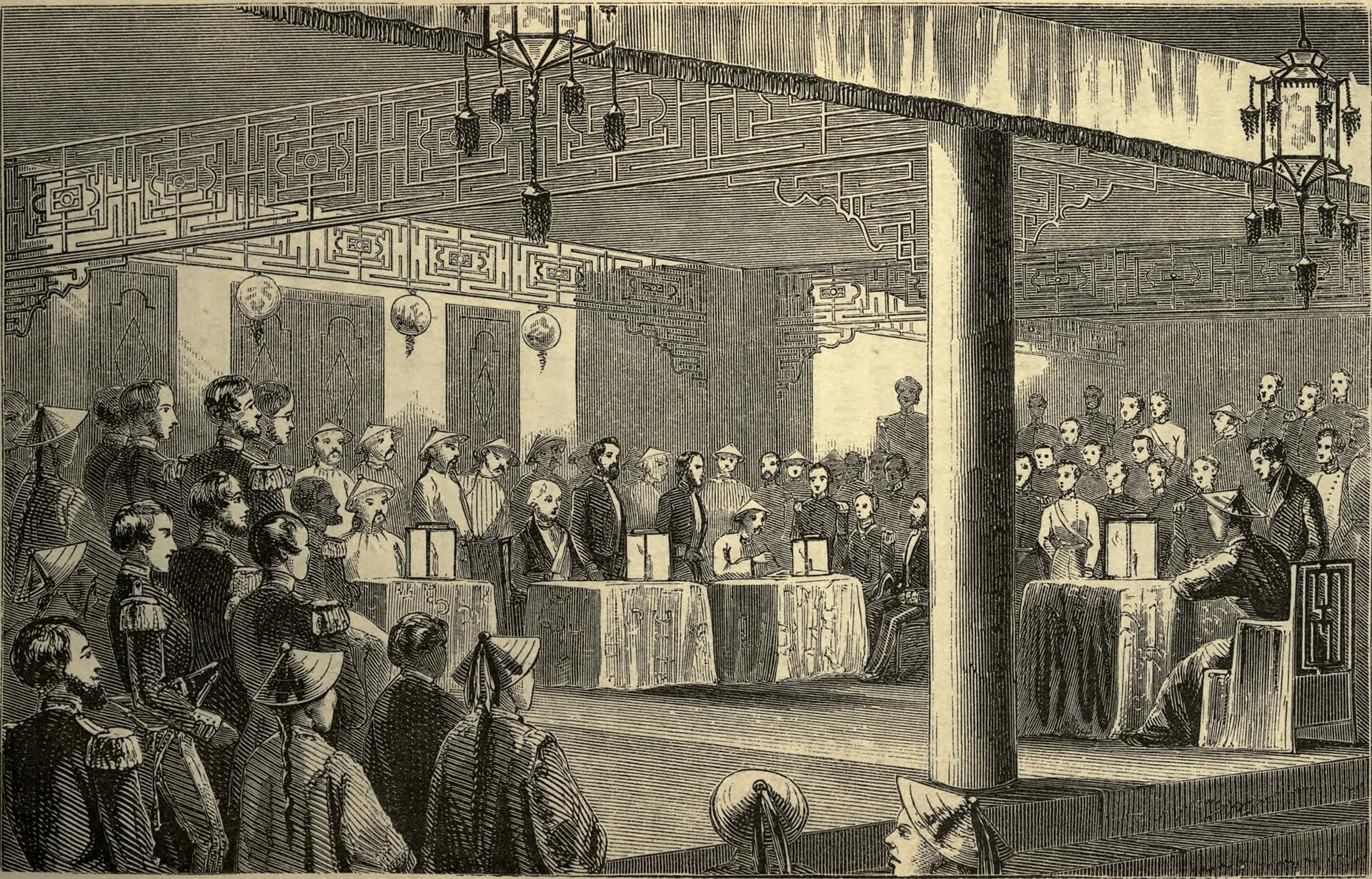
Period engraving showing the signing of the Treaty of Tientsin (Tianjin) in June 1858, with Qing commissioners at the tables and British and French officers around them. Period print made after the event, not a photograph.
HistoryAsia-Pacific

The Second Opium War (1856–1860), explained: Britain and France, seeking wider trade, resident envoys in Beijing and the legalisation of opium that the Treaty of Nanking had left unsettled, used the seizure of the lorcha Arrow at Canton in October 1856 — and France the execution of a missionary — to renew war on Qing China. Allied forces took Canton, imposed the Treaties of Tianjin in June 1858, were repulsed at the Dagu forts in 1859, then returned in 1860, defeated the Qing army at Palikao, looted and burned the Old Summer Palace, and imposed the Convention of Peking (24 October 1860): Tianjin ratified, Kowloon ceded, indemnities raised to 8 million taels each for Britain and France, and the opium trade legalised. Recorded casualties are strikingly one-sided — a compiled tabulation gives 134 British and at least 25 French killed against 2,100–2,801 Qing killed or wounded — but no separate agreed Qing death toll exists.

By War Info Hub Research Desk · November 3, 2026 · 15 min read

Period print after Captain John Platt, engraved by John Burnet, showing the signing and sealing of the Treaty of Nanking in the state cabin of HMS Cornwallis on 29 August 1842, with Qing commissioners at the table and British officers around them. Period print made after the event, not a photograph.
HistoryAsia-Pacific

The First Opium War (1839–1842), explained: Britain bought Chinese tea with silver, then with Indian opium; when Commissioner Lin Zexu destroyed more than 20,000 chests of opium at Canton in 1839, Britain sent an expedition that Qing forces could not stop. The Treaty of Nanking (29 August 1842) ceded Hong Kong Island in perpetuity, opened five treaty ports, abolished the Cohong monopoly and imposed a $21 million indemnity that included $6 million for the destroyed opium, while leaving the trade itself neither legalised nor prohibited. Casualty totals still dispute: one compiled count gives about 3,100 Qing killed, while broader estimates cited from Julia Lovell run to 20,000–25,000 Chinese deaths.

By War Info Hub Research Desk · November 2, 2026 · 15 min read

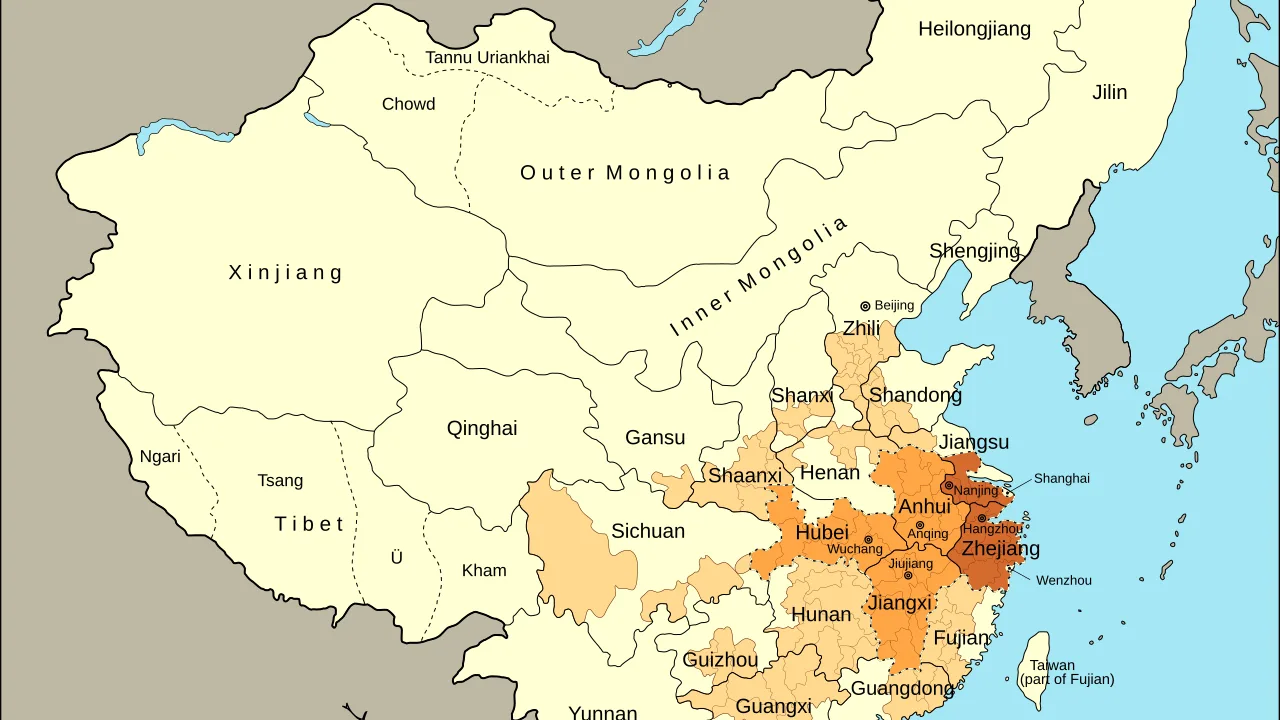
Map showing the extent of the Taiping Heavenly Kingdom at various times during the rebellion — the darkest shading in Anhui, Jiangsu and Zhejiang around Nanjing, the Taiping capital they called Tianjing. Modern reference map, not a period depiction of the war.
HistoryAsia-Pacific

The Taiping Rebellion (1850–1864), explained: Hong Xiuquan, a failed examination candidate who believed he was the younger brother of Jesus Christ, built the Taiping Heavenly Kingdom in southern China, took Nanjing in 1853 and held it for eleven years. The Qing survived only by handing armies and taxes to provincial leaders such as Zeng Guofan. Britannica puts the dead at an estimated 20 million; Meyer-Fong's conventionally cited totals run to 20–30 million, and ChinaKnowledge gives 20–50 million.

By War Info Hub Research Desk · October 31, 2026 · 13 min read

Lt Gen A. A. K. Niazi signing the Instrument of Surrender in Dhaka on 16 December 1971, with Lt Gen Jagjit Singh Aurora, commander of the joint Indian and Bangladesh forces in the east, seated beside him (contemporary photograph).
HistoryAsia-Pacific

The Bangladesh Liberation War, explained: from 26 March to 16 December 1971, East Pakistan fought — and, from December, India fought beside it — to break away from Pakistan. The war created Bangladesh, cost Pakistan more than half its population, drove some 10 million refugees into India, and left a death toll historians still dispute across an extraordinary range, from 26,000 in Pakistan's official inquiry to 3 million in Bangladesh's official accounting.

By War Info Hub Research Desk · October 23, 2026 · 11 min read

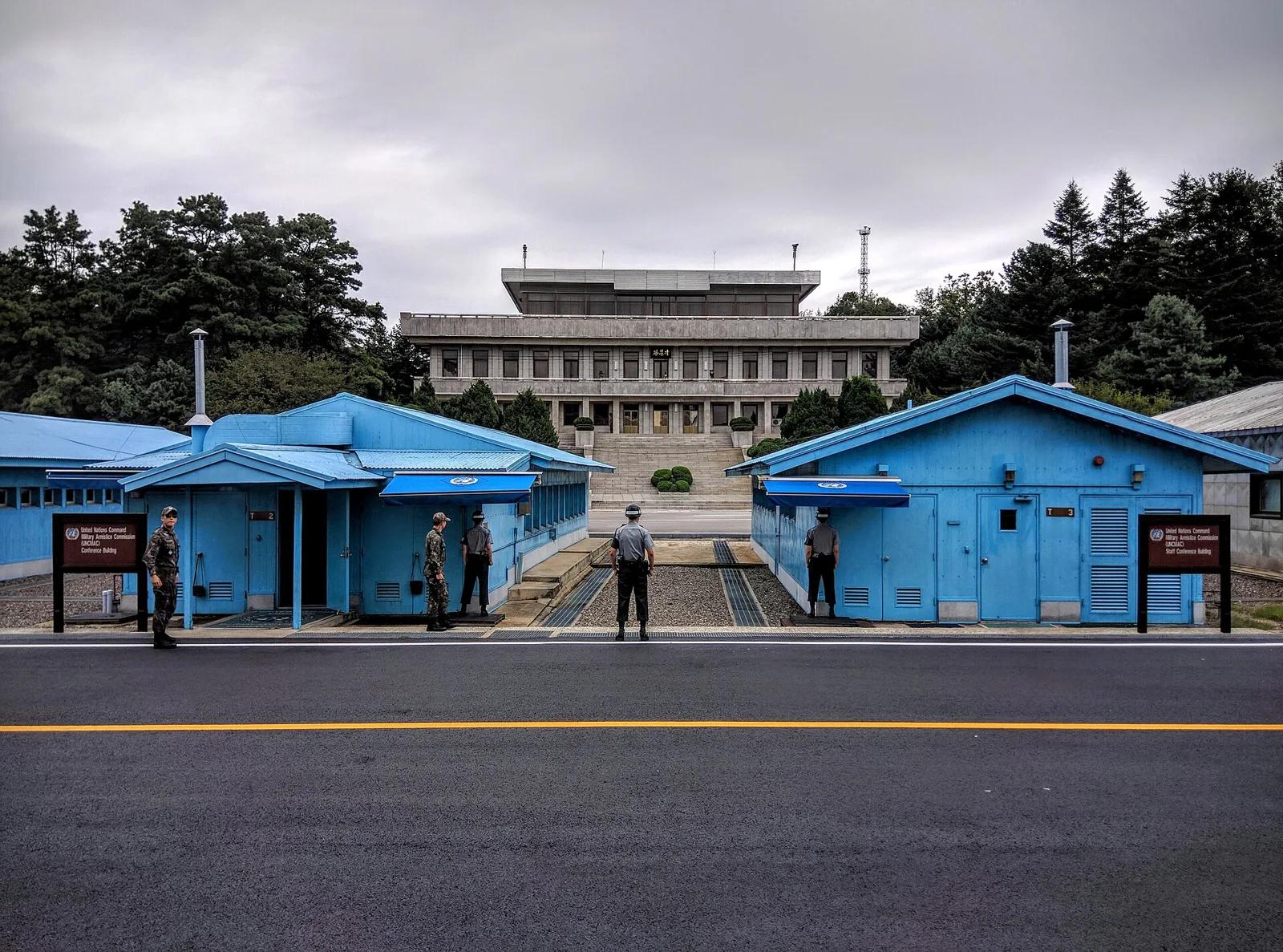
The blue conference buildings of the Joint Security Area at Panmunjom, in the Demilitarized Zone between North and South Korea (file photo). This photo does not depict any event reported in this article.
Situation ReportAsia-Pacific

North Korea is considering deploying additional tactical weapons and restarting loudspeaker broadcasts near the border with South Korea, Kim Yo Jong said in a KCNA statement on Monday, calling the southern border situation 'very unstable' and accusing Seoul's military of threatening North Korean personnel with warning shots. South Korea's military said this month the North has deployed as many as 7,000 workers this year to install mines and fences along the fortified border.

By War Info Hub Research Desk · October 19, 2026 · 4 min read

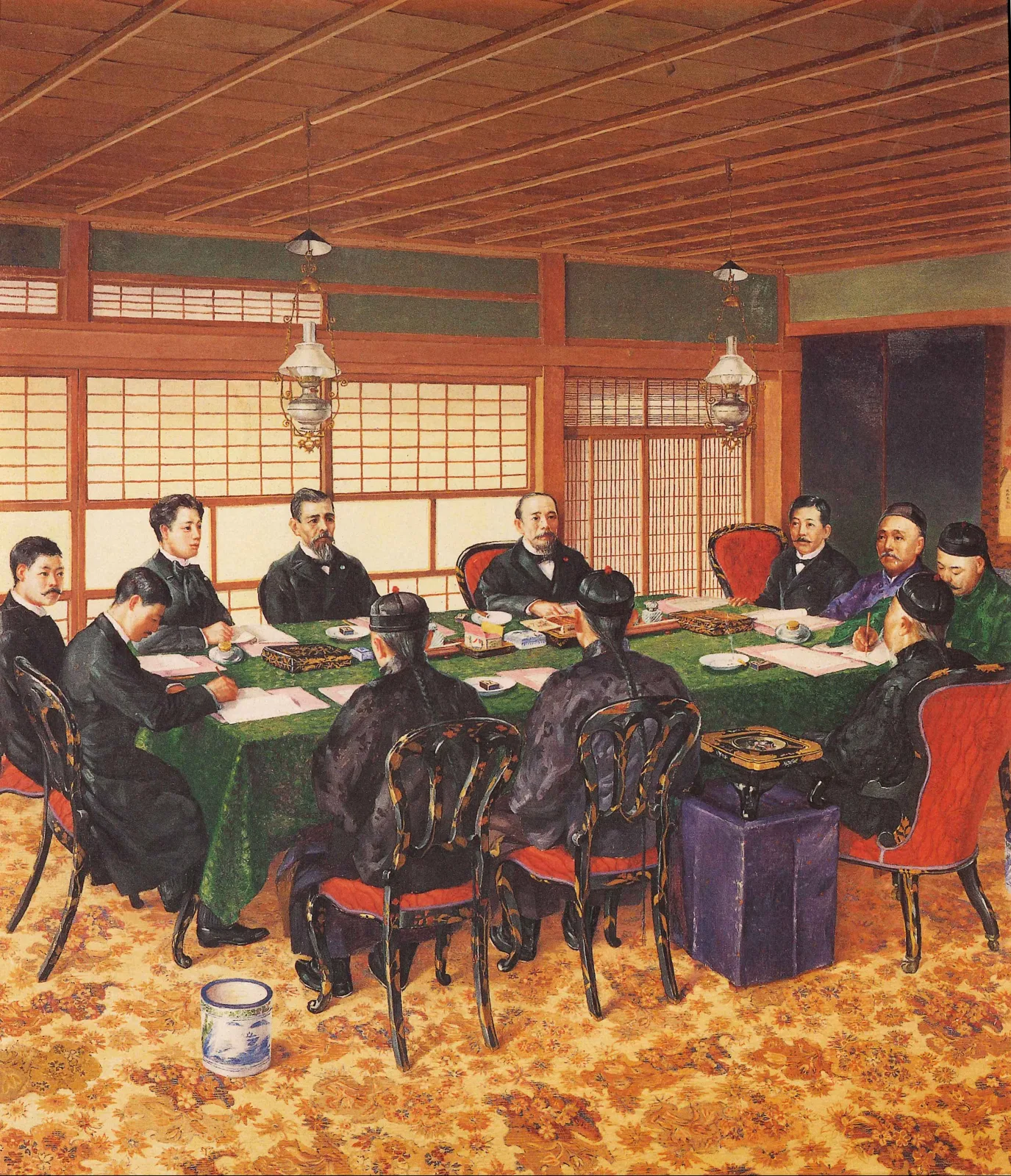
Painting of the peace conference at Shimonoseki, by Nagatochi Hideta, in the Meiji Memorial Picture Gallery. Japanese and Qing delegates sit at the conference table where the Treaty of Shimonoseki was negotiated in March-April 1895. This is a later commemorative painting; it is not a photograph of the signing.
HistoryAsia-Pacific

The First Sino-Japanese War explained: from the sinking of the Kowshing on 25 July 1894 to the Treaty of Shimonoseki on 17 April 1895, Japan defeated Qing China on land and at sea, took Korea out of China's orbit, and seized Taiwan and the Penghu Islands. China counted 35,000 killed or wounded; Japan counted 17,069 casualties, most of them to disease. The 200 million tael indemnity then paid for Japan's gold standard — and exposed the Qing reforms as a shell.

By War Info Hub Research Desk · October 19, 2026 · 12 min read

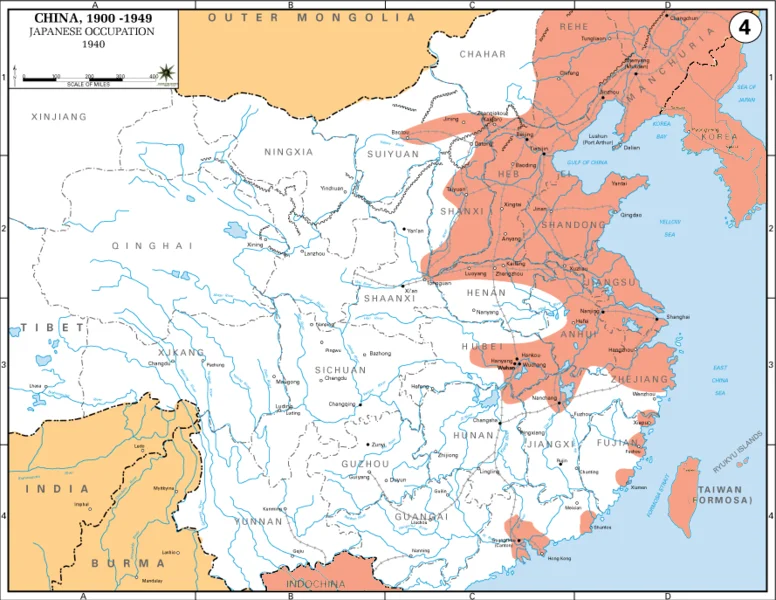
Map of Japanese occupation in China in 1940, from a U.S. Army history of China 1900-1949. The shaded area covers Manchuria, north China and the coastal and Yangtze cities Japan had taken by 1940; the Nationalist wartime capital, Chongqing, in Sichuan, remained outside it. This is a reference map; it does not depict a single battle.
HistoryAsia-Pacific

The Second Sino-Japanese War explained: from the Marco Polo Bridge incident on 7 July 1937 to Japan's surrender in September 1945, China fought Japan for eight years, lost its coastal cities and capital, moved its government to Chongqing, and held down hundreds of thousands of Japanese troops. Total Chinese deaths are put at 14 million to 22 million in the estimates historians cite, and the war exhausted the Nationalists who had led the resistance — setting up the Communist victory of 1949.

By War Info Hub Research Desk · October 18, 2026 · 12 min read

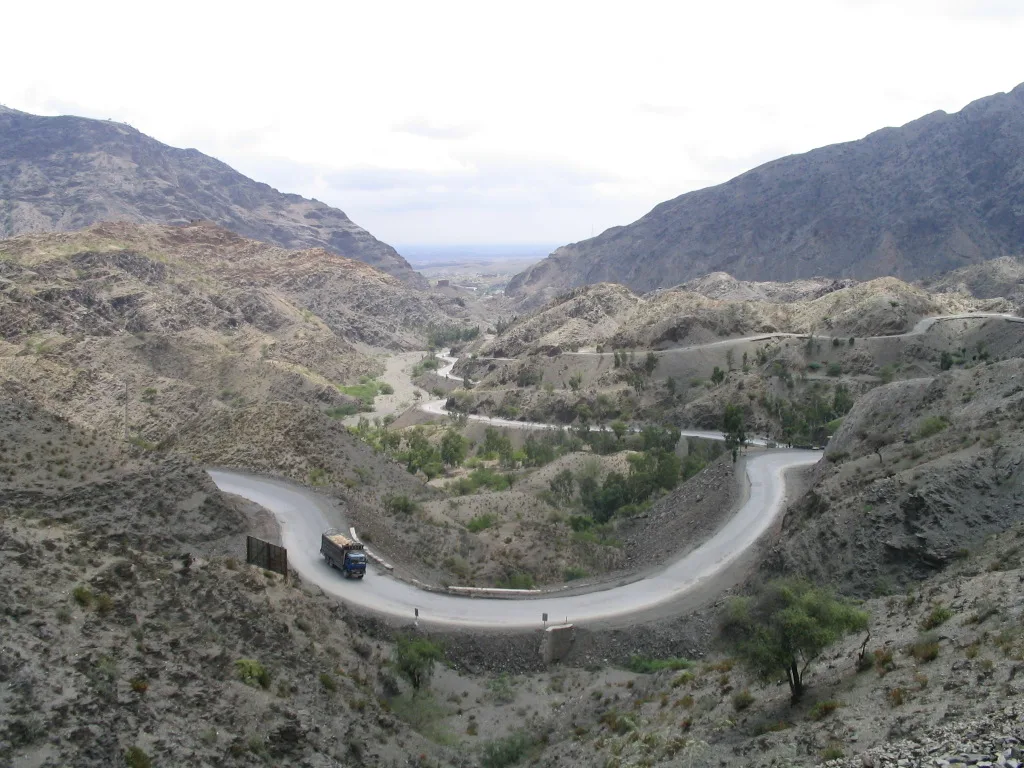
The Khyber Pass road winding through the hills of Khyber Pakhtunkhwa on the Pakistan-Afghanistan frontier (file photo). This photo does not depict the Kurram sector or any event reported in this article.
Situation ReportAsia-Pacific

A Pakistan-Afghanistan border clash in the Kurram sector on Saturday saw Pakistani forces and Afghan Taliban personnel exchange fire at several locations along the northwestern border, the Associated Press reported. Pakistani security officials and state-run media said troops backed by artillery destroyed Taliban posts, targeted the Topser post and Shipola base camp in Upper Kurram, and killed several Taliban personnel — claims the Taliban had not publicly answered in the reports opened, in the latest round of a border conflict that has flared since the Moscow talks failed on October 5.

By War Info Hub Research Desk · October 18, 2026 · 6 min read

A school building in Peshawar, the main building of Islamia College (file photo). The Al-Khair Education Center, where Thursday's collapse happened, is a separate, privately run school in the city's Dir Colony; this photo does not depict it.
Situation ReportAsia-Pacific

At least 33 people — 32 children and a female teacher, according to Lady Reading Hospital — were killed on Thursday when the roof of the Al-Khair Education Center in Peshawar's Dir Colony collapsed through the classrooms below during morning lessons, and more than 50 people were injured. Police arrested the school's owner and called the collapse a case of 'gross negligence'; the province's governor ordered a safety audit of schools across Khyber Pakhtunkhwa.

By War Info Hub Research Desk · October 16, 2026 · 4 min read

An empty classroom (file photo). The classrooms that collapsed at Peshawar's Al-Khair Education Center held about 110 children on Thursday morning; this photo does not depict that school.
AnalysisAsia-Pacific

The police report on the Al-Khair school collapse records a chain of warnings that went nowhere: substandard materials, a dilapidated building, earlier complaints about deteriorating walls and roofs that management allegedly ignored — and concerns raised by the children themselves. Peshawar's police chief called it 'gross negligence'. The collapse was the latest in a year of Pakistani buildings falling on the people inside them, in a country where, as CNN puts it, construction standards are often poorly enforced.

By War Info Hub Research Desk · October 16, 2026 · 5 min read

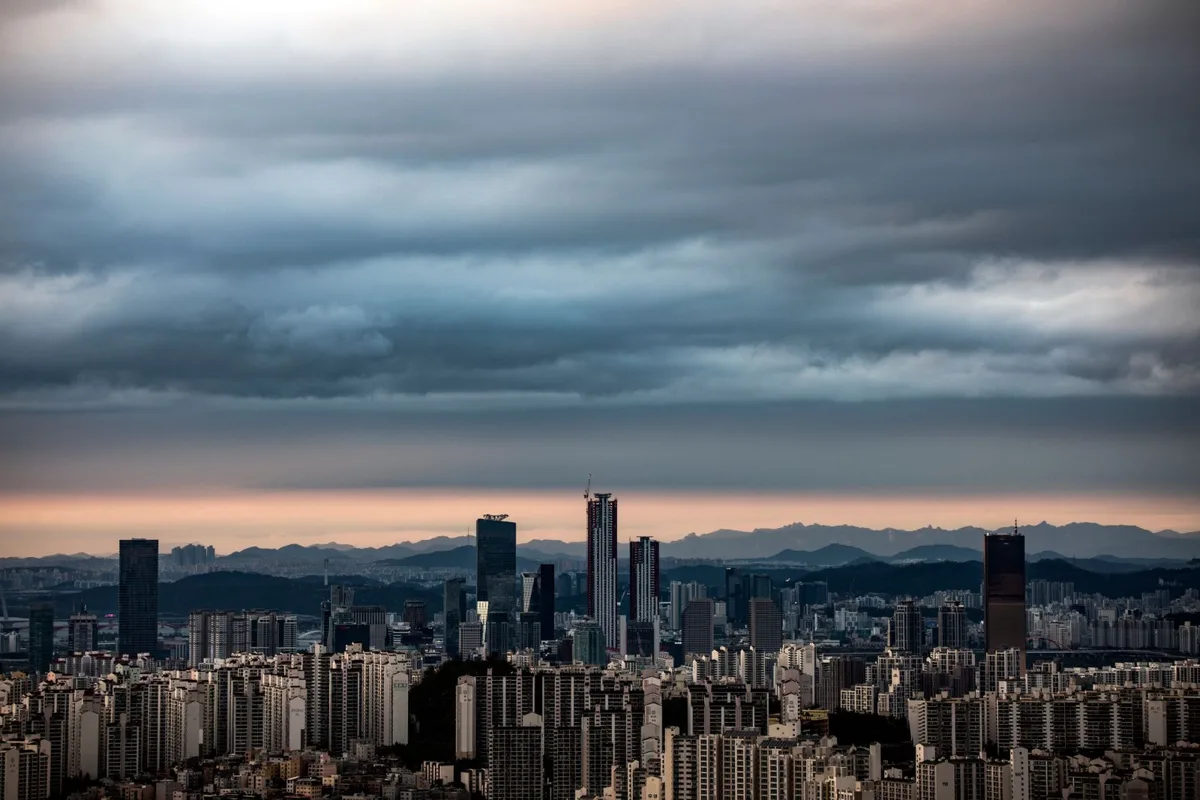
Seoul's skyline under cloud at twilight (file photo). This photo does not depict any event reported in this article.
Situation ReportAsia-Pacific

North Korea launched multiple ballistic missiles toward the sea off its east coast on Monday morning, South Korea's military said — its fourth launch in a month, days after South Korea test-fired a hypersonic missile. One type flew more than 900 km, and Seoul convened an emergency security meeting and condemned the launches as violations of UN Security Council resolutions.

By War Info Hub Research Desk · October 12, 2026 · 3 min read

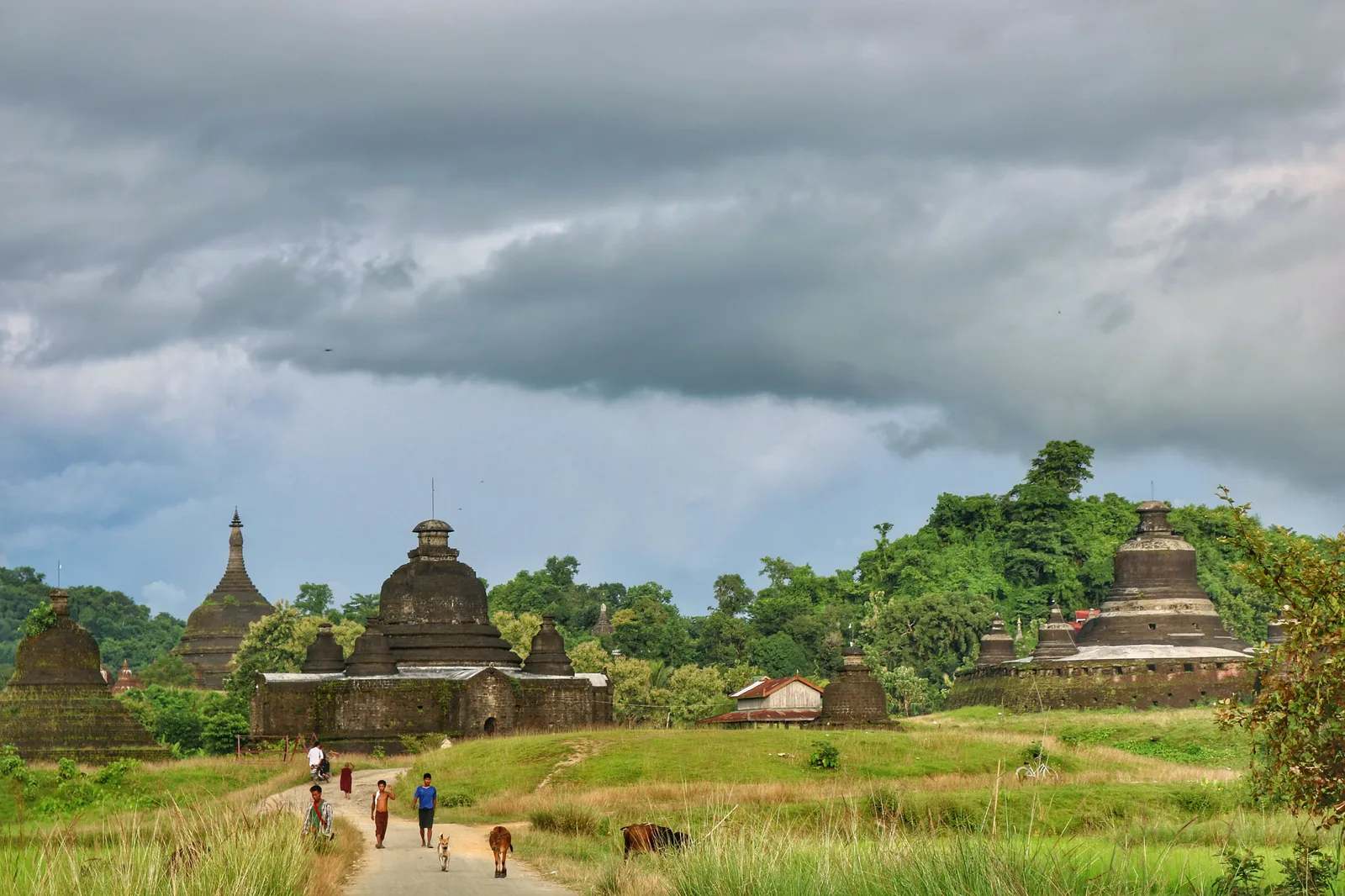
Countryside around Mrauk U in Rakhine State, Myanmar, photographed in 2017. File photo — it does not depict the October 2026 strikes described in this article.
Situation ReportAsia-Pacific

Airstrikes on camps for internally displaced people in Rakhine State's Ponnagyun township killed eight people and injured 13 over Sunday and Monday, the Arakan Army and the Ponnagyun Youth Association said on October 5, 2026. The figures have not been independently verified; Myanmar's government did not comment.

By War Info Hub Research Desk · October 5, 2026 · 2 min read

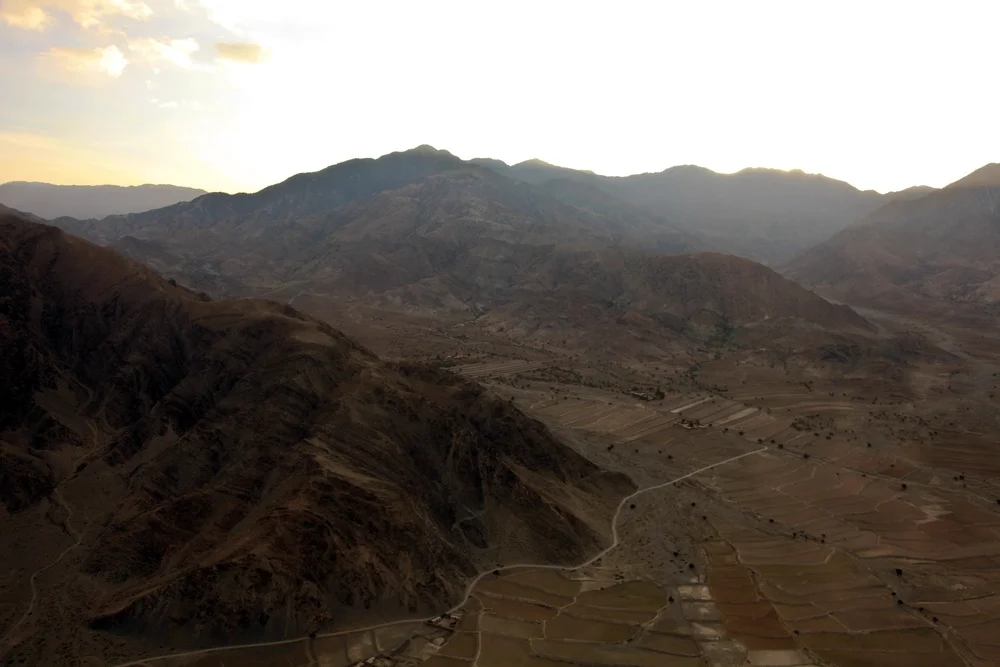
The mountainous Kunar valley in eastern Afghanistan, near the border with Pakistan. Generic photo; it does not depict the events described in this article.
Situation ReportAsia-Pacific

Pakistani aircraft struck two locations in Afghanistan's Kunar and Helmand provinces overnight, killing at least 10 civilians, most of them children, UNAMA confirmed. Islamabad says 22 militants were killed; the Taliban government condemned the strikes as 'an act of aggression.'

By War Info Hub Research Desk · October 1, 2026 · 3 min read

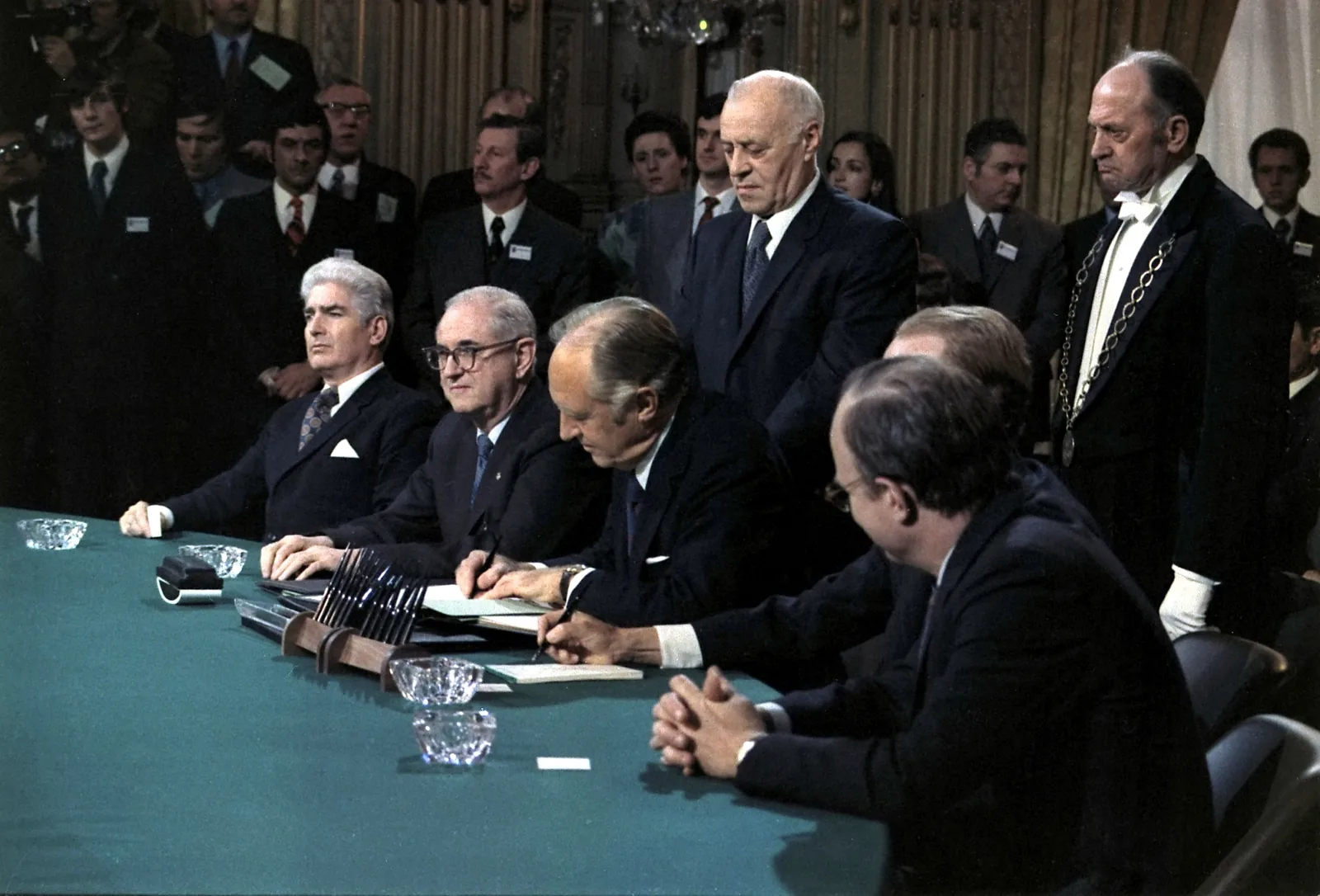
U.S. Secretary of State William Rogers signing the Paris Peace Accords, 27 January 1973.
HistoryAsia-Pacific

The Vietnam War killed millions and reshaped American institutions, Southeast Asia's borders, and Cold War politics — this explainer covers the causes, the casualty ranges, the economic costs, and the global consequences.

By War Info Hub Research Desk · September 29, 2026 · 7 min read

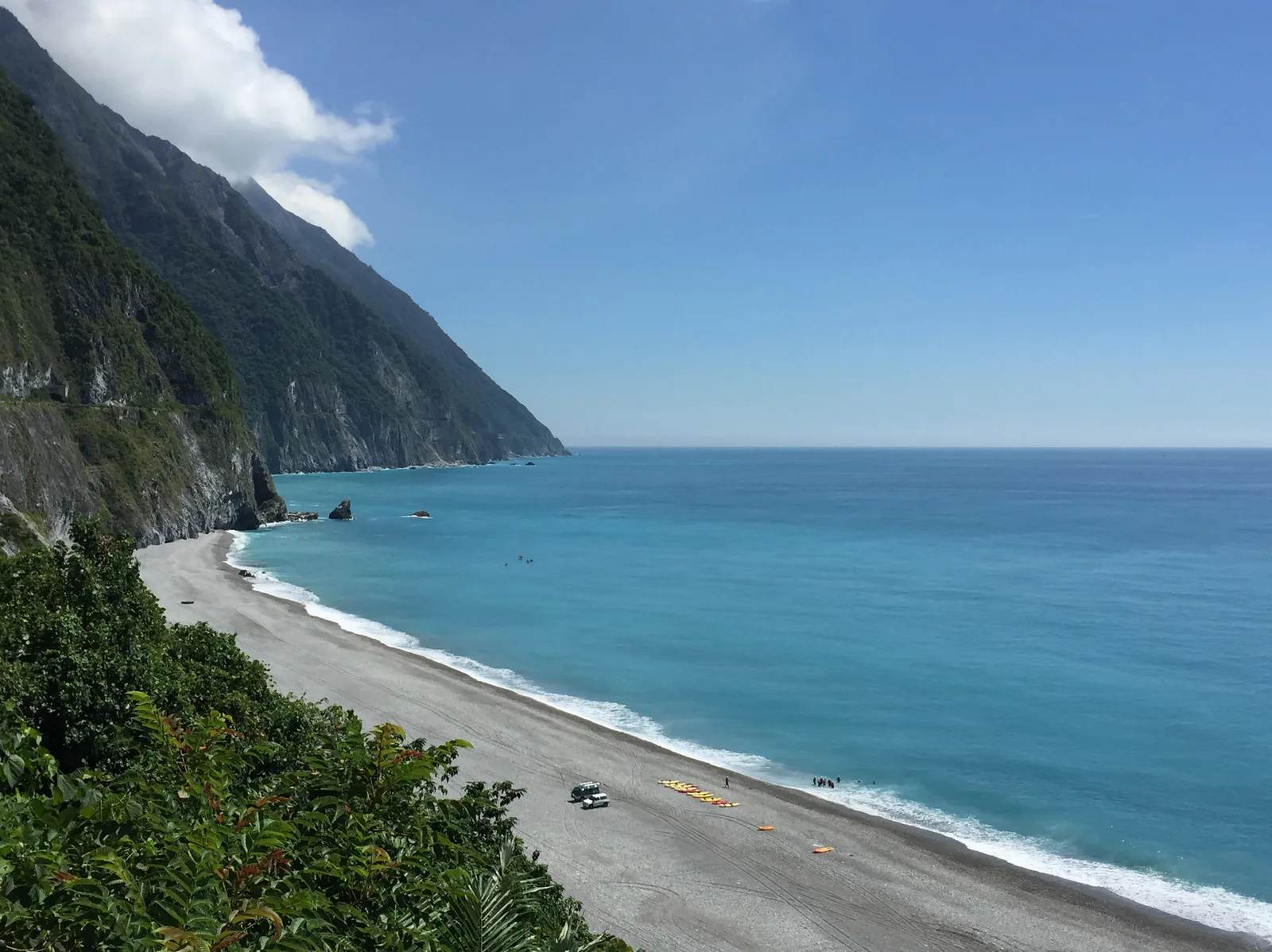
Taiwan's east coast: green cliffs beside turquoise water.
ExplainerAsia-Pacific

China's gray-zone pressure on Taiwan mixes live-fire drills, daily military incursions, cyberattacks and even sand dredgers to exhaust the island without starting a war. Here is how the coercion campaign works — and what it is meant to achieve.

By War Info Hub Research Desk · September 29, 2026 · 6 min read

The Russian and Japanese peace envoys in session at the Portsmouth Navy Yard, 1905 (detail of a period postcard photograph).
HistoryAsia-Pacific

In 1904–05, Japan — barely a generation removed from feudal rule — fought Russia to a standstill and won. It was the first modern victory of an Asian state over a European great power, and its shockwaves ran from Tokyo's bond markets to the streets of St. Petersburg.

By War Info Hub Research Desk · September 29, 2026 · 9 min read

Pyongyang's skyline across the Taedong River.
ExplainerAsia-Pacific

North Korea's missile program has moved from pariah-state posturing to a live combat laboratory: Pyongyang is testing AI-guided missiles at home while supplying Russia with ballistic missiles for Ukraine. Here is how the arsenal works — and what Moscow gets in return.

By War Info Hub Research Desk · September 29, 2026 · 6 min read

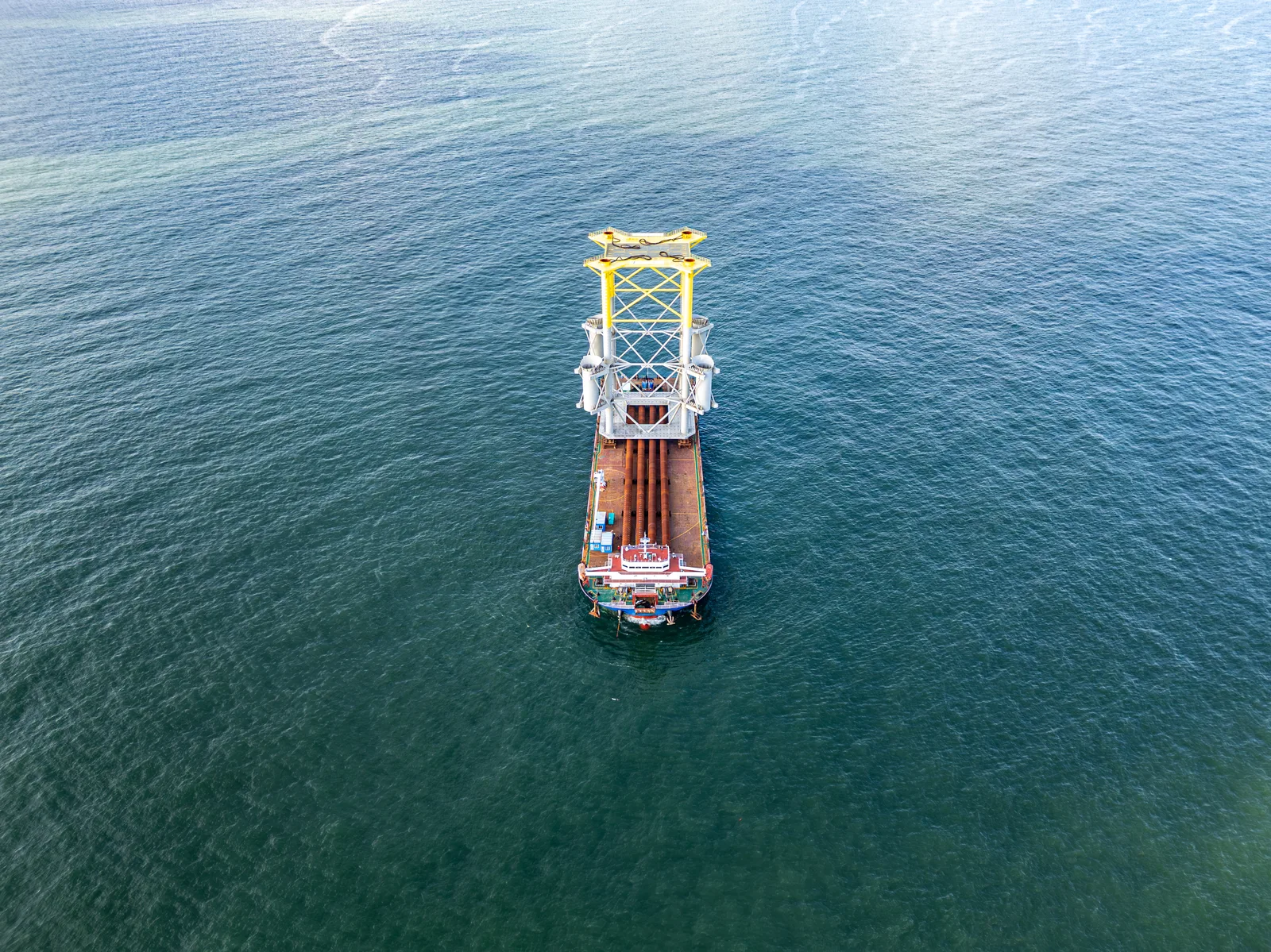
An offshore installation vessel on the South China Sea, seen from above.
ExplainerAsia-Pacific

The nine-dash line is the U-shaped mark on Chinese maps claiming most of the South China Sea — a claim an international tribunal ruled has no legal basis in 2016. Here is where the line came from, what the law says, and why the dispute keeps escalating.

By War Info Hub Research Desk · September 29, 2026 · 6 min read

The Irrawaddy River in Myanmar. This photo does not depict the September 29 airstrike in Rakhine State.
Situation ReportAsia-Pacific

The death toll from a Myanmar military airstrike on the town of Kyauktaw in Rakhine State rose to 50 on Tuesday, per the Arakan Army and a local aid worker — the deadliest such attack in the state since December. Here is what is known, and the wider war it belongs to.

By War Info Hub Research Desk · September 29, 2026 · 4 min read

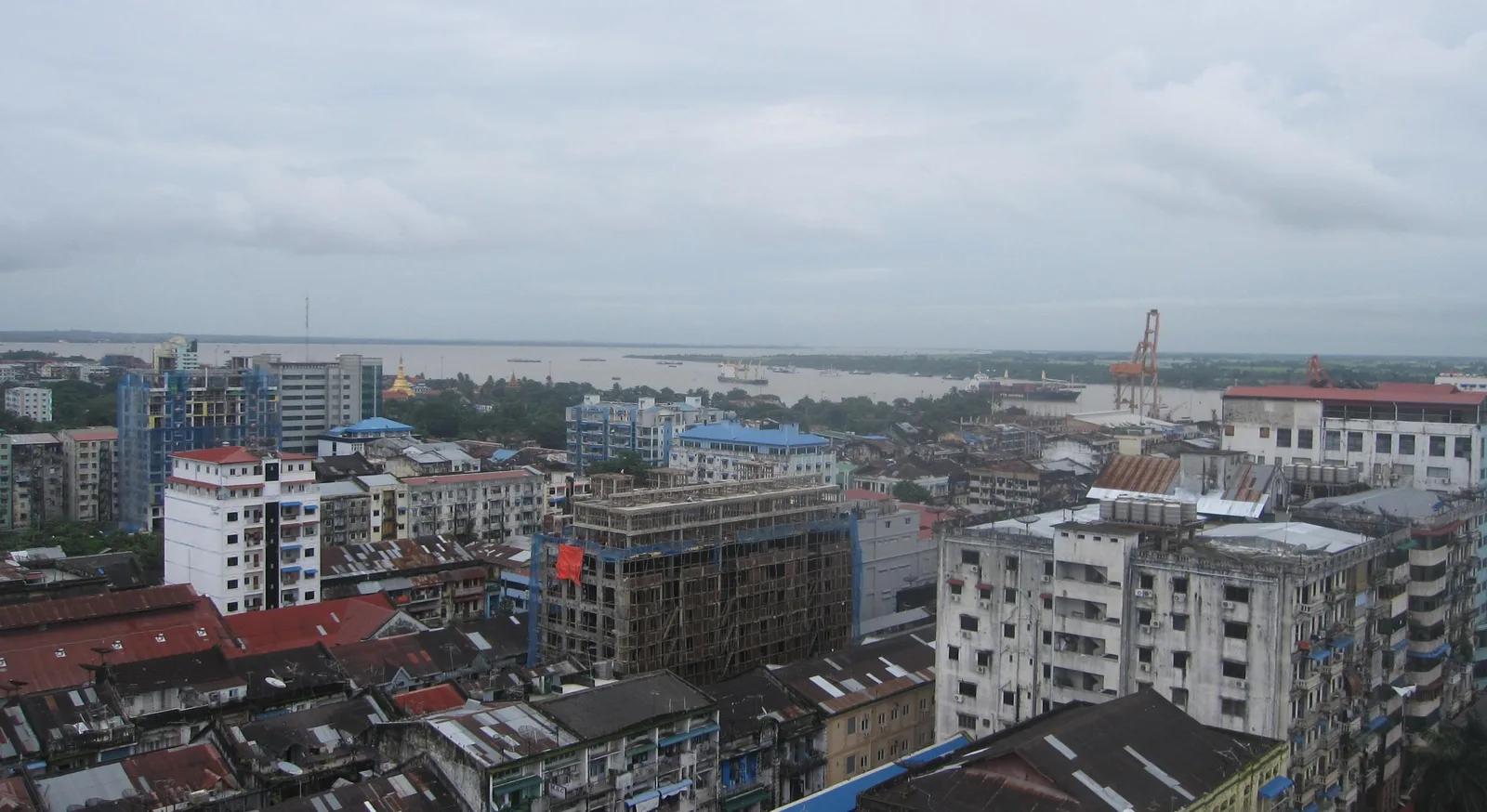
Yangon's skyline, with the river and port beyond.
ExplainerAsia-Pacific

Myanmar's civil war has killed more than 100,000 people since the 2021 coup — and a September 2026 airstrike on a Rakhine market that killed at least 33 shows how the junta's air campaign now punishes civilians far from any front line. Here is who is fighting, and why.

By War Info Hub Research Desk · September 29, 2026 · 6 min read

The signing of the Korean War armistice at Panmunjom, 27 July 1953.
HistoryAsia-Pacific

The Korean War (1950–1953) killed millions, ended in an armistice rather than a peace treaty, and left the peninsula divided to this day. Here is why it started, what it cost, and why it still matters.

By War Info Hub Research Desk · September 29, 2026 · 9 min read

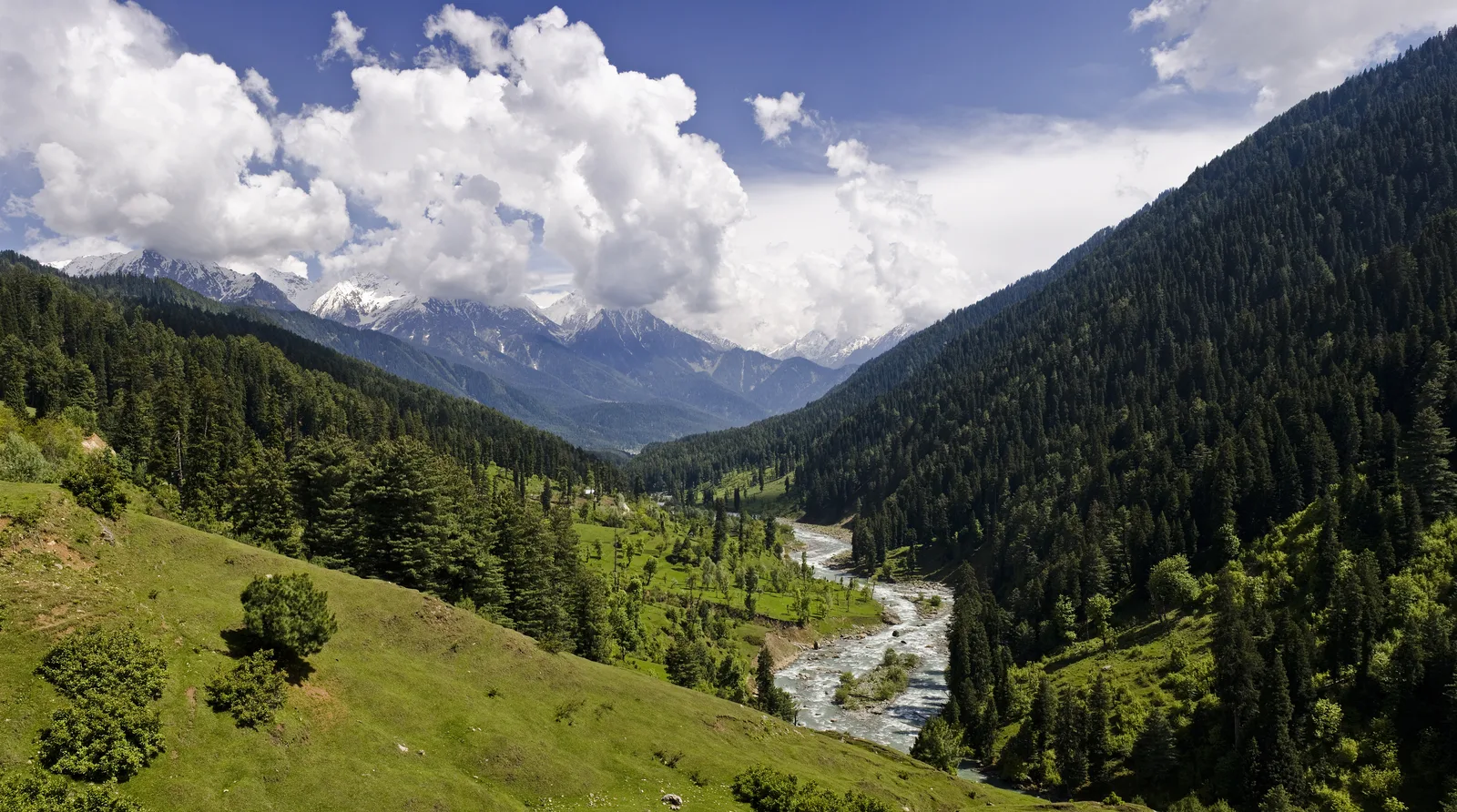
The Pahalgam valley, a river winding beneath snow-capped peaks.
ExplainerAsia-Pacific

The Kashmir flashpoint put two nuclear-armed rivals through four days of missile, drone and fighter-jet combat in May 2025 — the worst fighting since 1999. Here is why Kashmir keeps pulling India and Pakistan back to the brink.

By War Info Hub Research Desk · September 29, 2026 · 6 min read

A landscape in Balochistan, Pakistan. This photo does not depict current military activity.
ExplainerAsia-Pacific

Pakistan's military said this weekend it killed more than 71 militants in operations across Balochistan — the latest chapter in a 20-year separatist insurgency that escalated sharply this year. Here is who is fighting, what they want, and why it is getting worse.

By War Info Hub Research Desk · September 29, 2026 · 5 min read

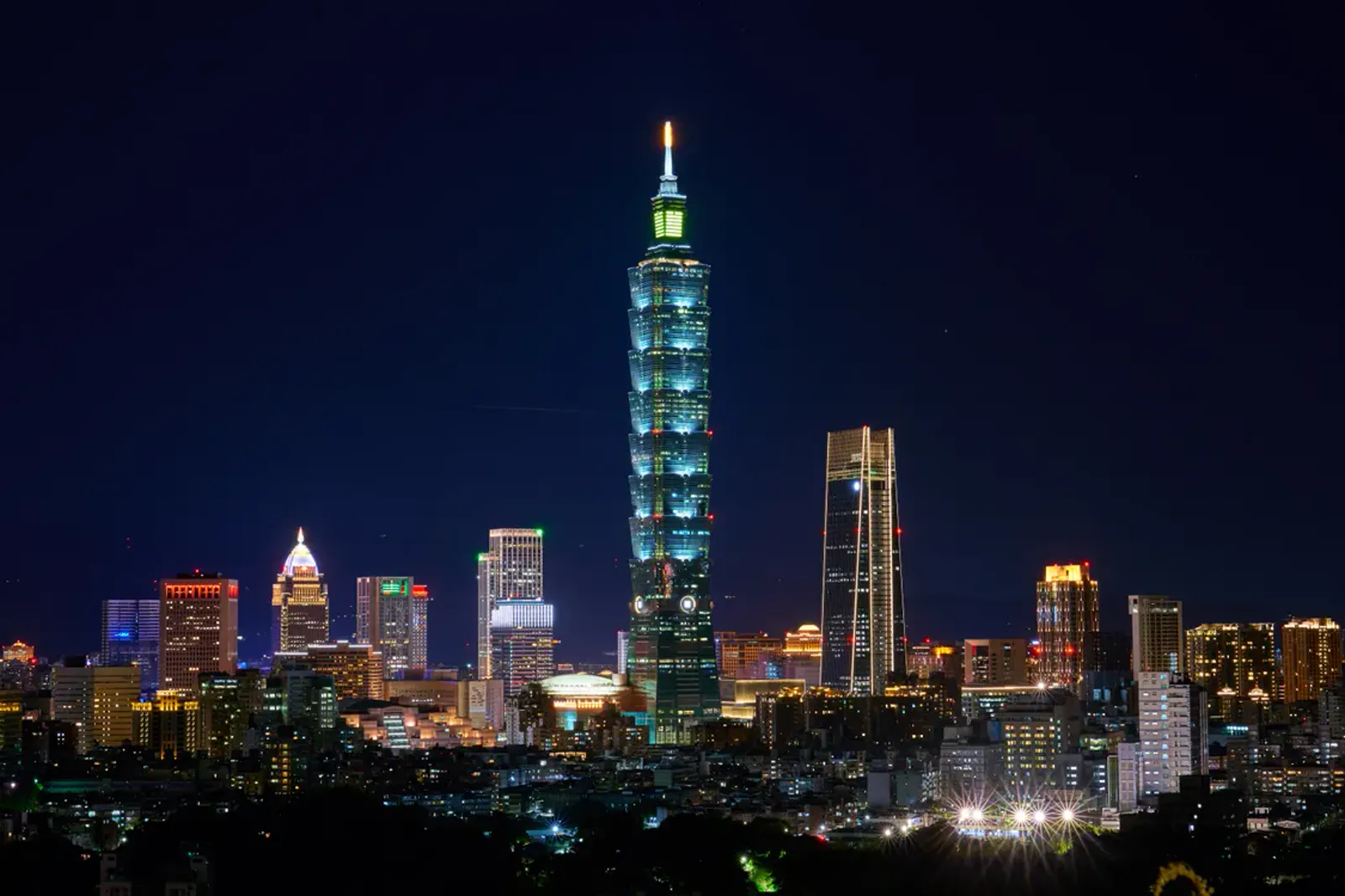
The Taipei skyline at night, with Taipei 101 illuminated.
ExplainerAsia-Pacific

A 130-kilometre-wide waterway, the world's most important chip factories, an informal median line that no longer holds, and a US policy of deliberate ambiguity — the Strait is where geography, economics, and great-power politics collide.

By War Info Hub Research Desk · September 27, 2026 · 3 min read

Seen something we should cover?

Send a tip to the research desk.

A development we missed, a document worth reading, or an error in our reporting — email is the fastest channel. Anonymity honored on request.

Email us