Brent crude is on track for a 16% weekly decline — its steepest weekly percentage fall since the start of the COVID-19 pandemic — after the US midterm election losses of President Donald Trump's Republican Party raised hopes of a de-escalation in the US-Israeli war on Iran, Reuters reported on Friday. The fall has a floor under it: a surge in tanker attacks in the Gulf and the Strait of Hormuz has renewed concerns over supply flows, and data from Britain's maritime security agency UKMTO suggested attacks on oil-carrying ships are still running at close to record pace. Oil is now being pulled in opposite directions by the same war — politics in Washington pushing it down, burning shipping in the Gulf holding it up.
How big is the weekly fall?
Brent is on track for a 16% weekly decline and WTI for more than 13% — historic figures, if they hold to Friday's close. After early gains in a see-saw session on Friday, Brent crude futures for January were down 74 cents, or 0.8%, at $97.55 a barrel by 0826 GMT, and US West Texas Intermediate futures were down 73 cents, or 0.8%, at $89.79, Reuters reported. Earlier in the session Brent had traded at $99.83, up 1.57%, in Asian trade, The Hindu BusinessLine reported — a $2-plus intraday range that captures the week's tug of war. The Brent contract is on track for a 16% decline this week, which would be its steepest weekly percentage fall since the start of the COVID-19 pandemic and its biggest in absolute terms in LSEG data going back to 1988. WTI is set for a decline of more than 13%. The oil price slide comes against the backdrop of a dramatic rout in technology stocks, Reuters noted.
What drove prices down?
The US midterm elections, and what traders expect them to mean for the war. Oil prices fell 8% on Wednesday alone after the Democrats swept the elections, settling at two-month lows. A potential Iran war de-escalation could lead to more crude exports out of the region, Reuters reported, with signs of an emerging crude oil glut reinforced by spot premiums for Middle Eastern crude benchmarks returning to levels reached before the conflict. In other words, the market is pricing a peace it does not yet have: if the war winds down, Gulf crude that has been constrained by the fighting and by Iran's restrictions on the strait returns to a market already showing surplus signals, and the war premium built into prices during the war drains away.
What is holding prices up?
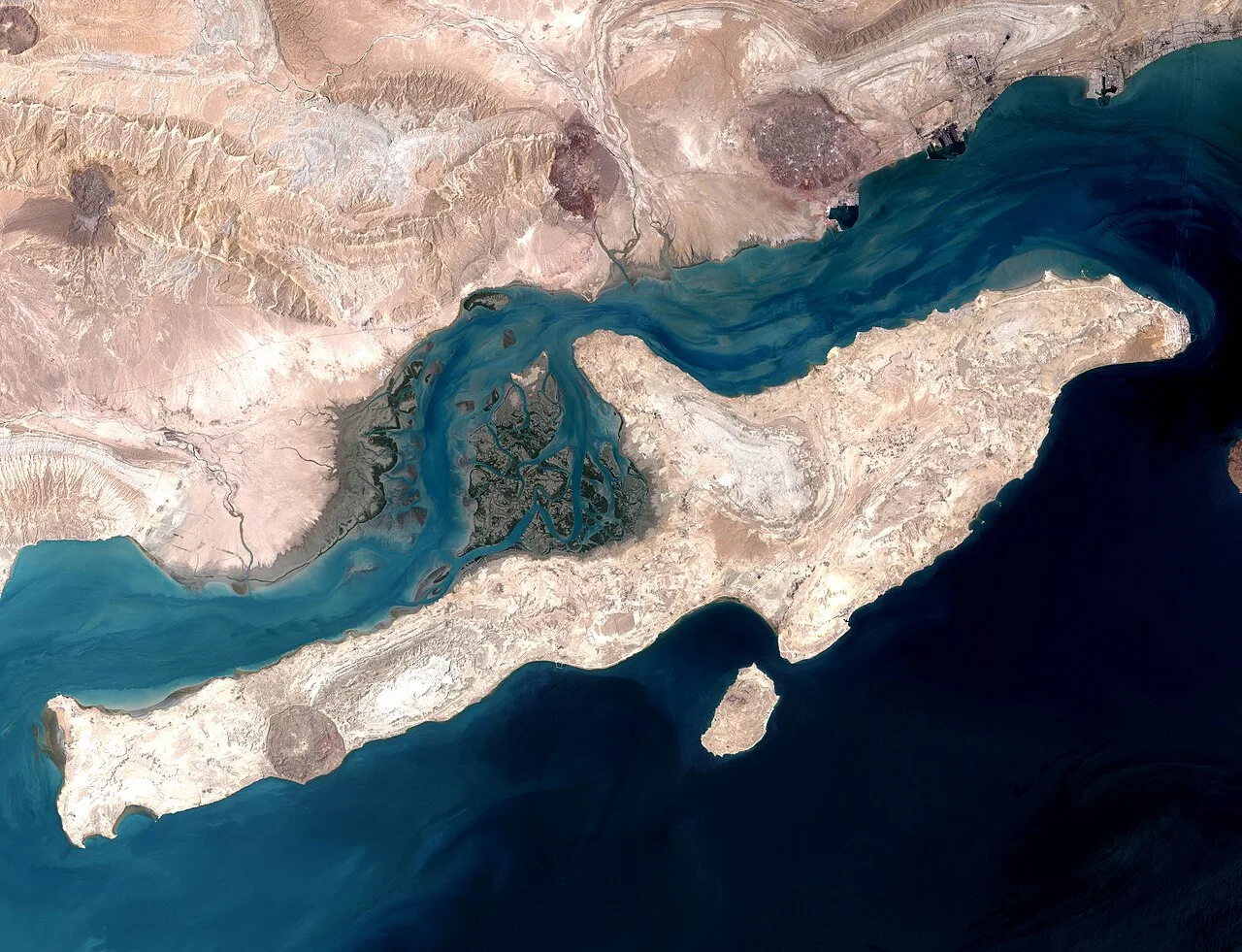
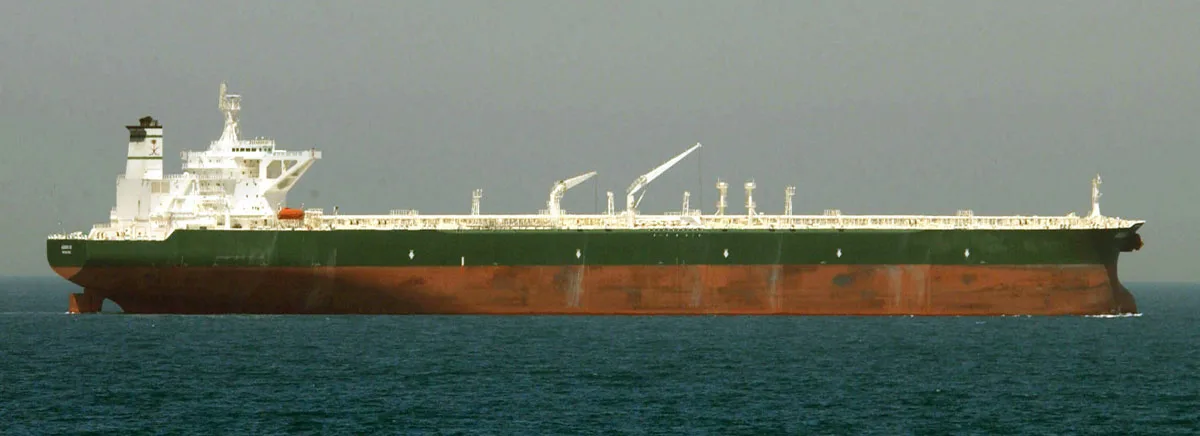
Ships are still being hit. Prices rebounded from Wednesday's lows on a surge in tanker attacks in the Gulf and the Strait of Hormuz — the crucial sea outlet for a majority of Middle Eastern oil shipments — which renewed concerns about supply flows from the region. Iran said on Thursday that three more tankers had been attacked in the strait, Reuters reported; Iran's Revolutionary Guards have said two oil tankers and a tugboat caught fire in different incidents in the strait, a claim reported here as the Guards' statement, consistent with similar IRGC statements in recent days that have not been independently confirmed. UKMTO has reported tanker attacks in the Gulf and around the strait since Sunday. The result is a market that falls on every hint of diplomacy and jumps on every reported hull strike — and, this week, the diplomacy is winning by the largest weekly margin since 2020.
What happens next?
Friday's close decides whether the 16% figure enters the record books, and the war decides everything after that. The de-escalation case rests on politics, not on a signed agreement: no deal between Washington and Tehran has been announced, and the tanker attacks that provided this week's floor have not slowed. If a settlement is signed, the glut signals Reuters described — Middle East spot premiums already back at pre-conflict levels — point to further downside. If the attacks escalate instead, the same market that just recorded its steepest weekly fall since a pandemic has shown, on Thursday and again early Friday, how fast it buys the risk back.
This report is drawn from Reuters' November 6, 2026 oil report, opened and read in full via its verbatim carrier 98.5 The River, and from The Hindu BusinessLine's November 6, 2026 report, opened and read via search. Market figures are snapshots checked at the stated times, not live prices, and are not financial advice. The IRGC tanker-fire statement is published as its claim, without independent confirmation, per the two-source rule.