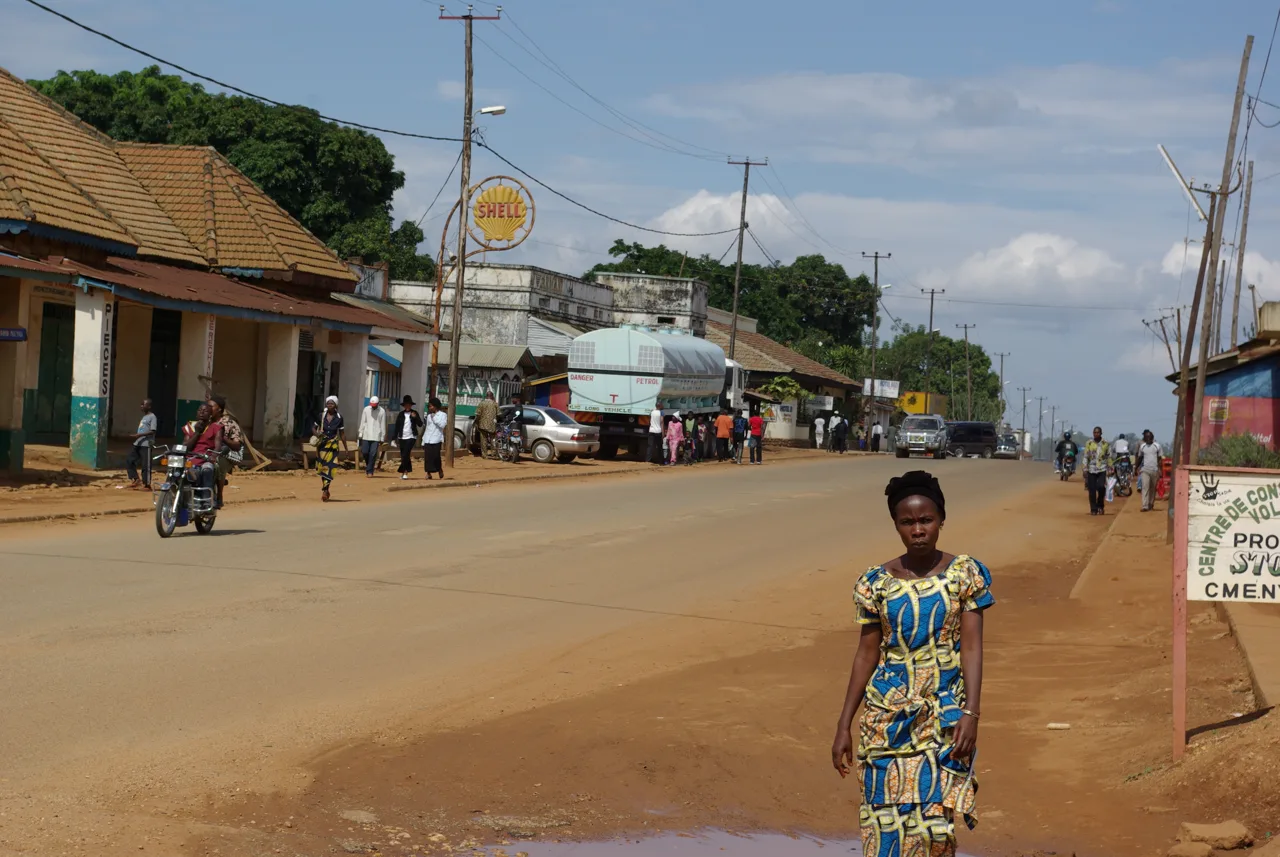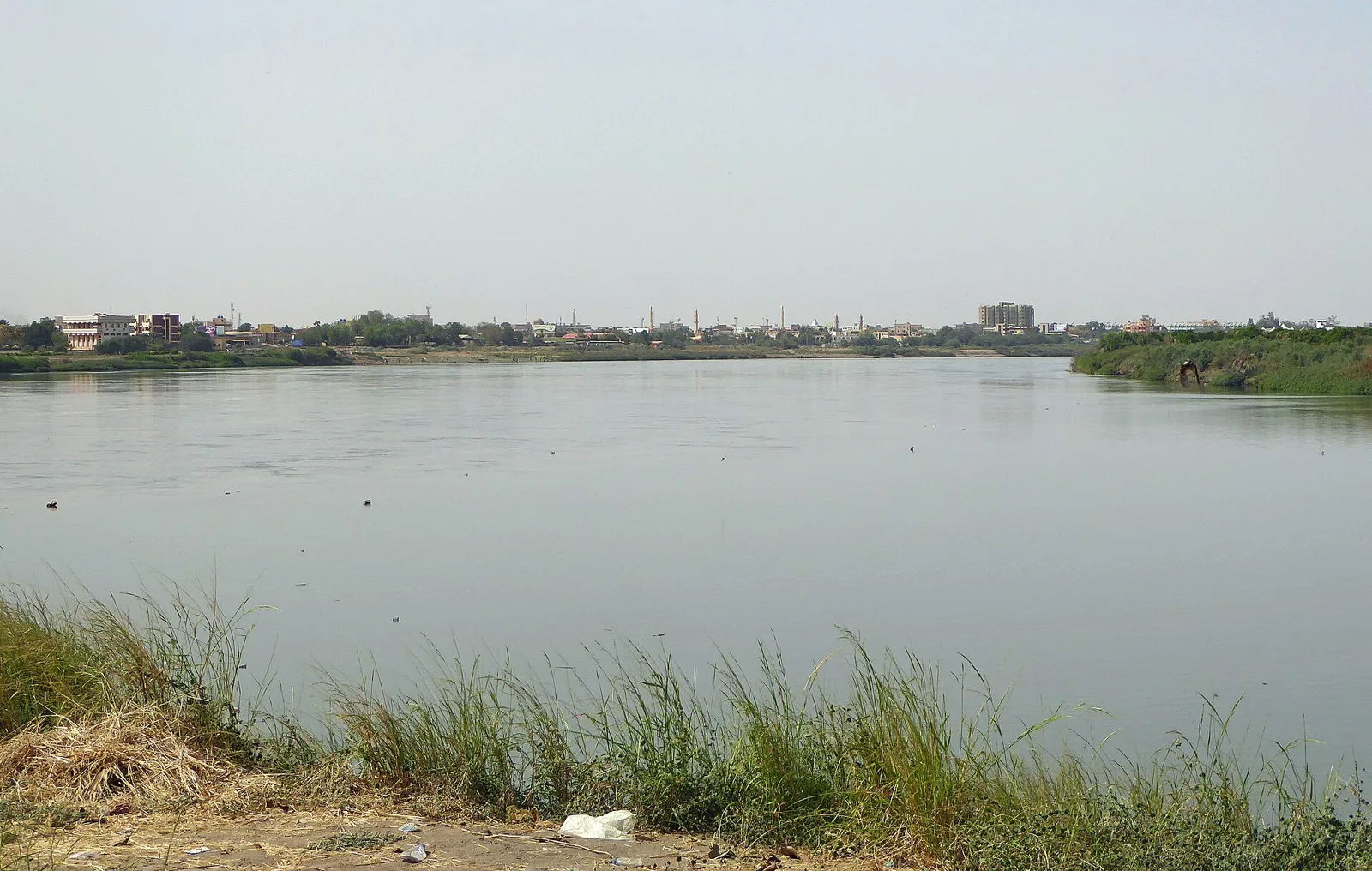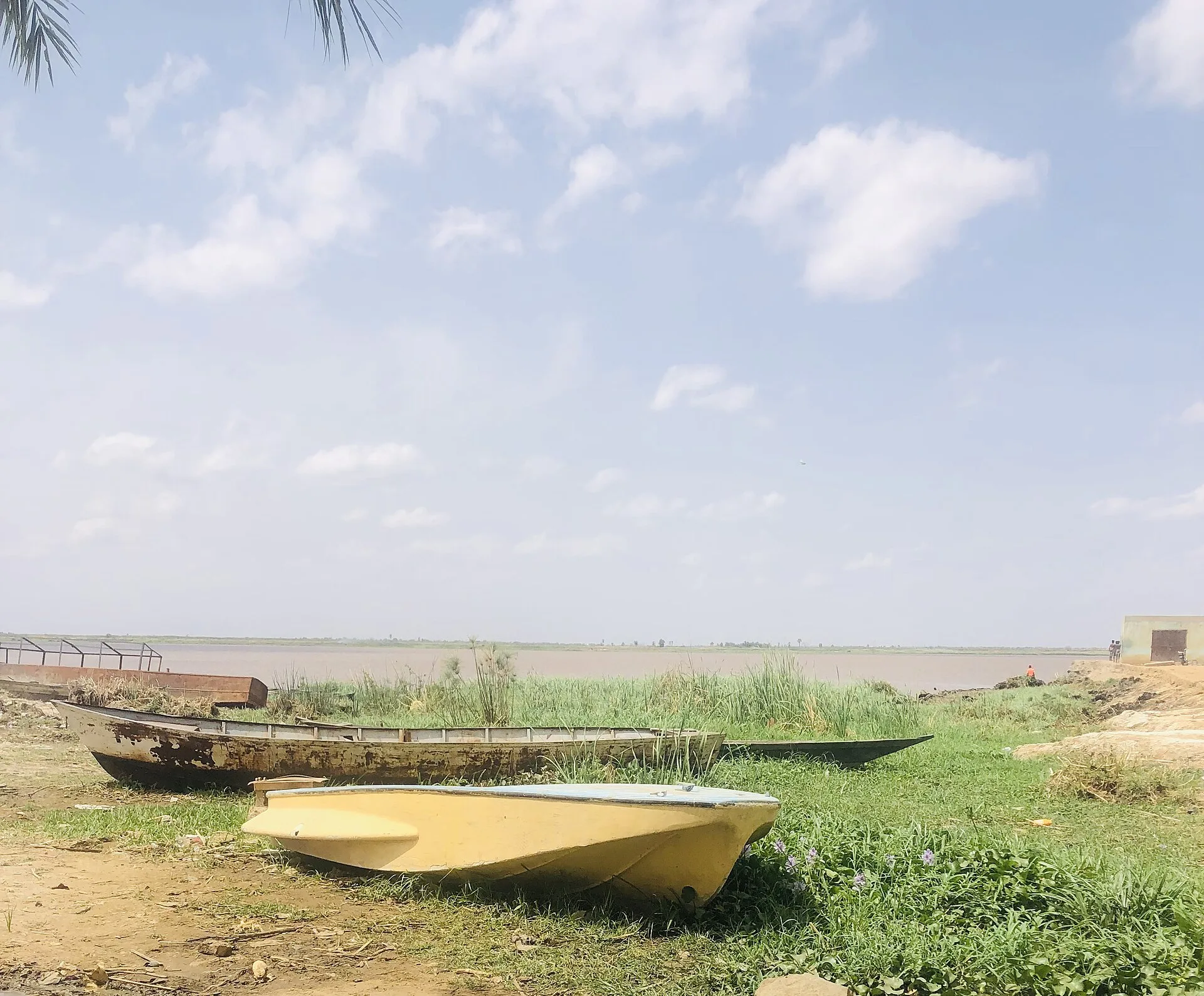
An estimated 900,000 vulnerable people are losing their food assistance in Sudan, the World Food Programme has warned, as funding cuts force the agency to shrink its operation in the world's largest hunger crisis. Some 19.5 million people face acute hunger, including 5 million at emergency levels, in WFP's own count. The cuts have reduced WFP's reach from more than four million people fed in August — including 880,000 in areas at risk of famine — to just over three million, and most families still receiving aid get half rations. WFP urgently needs $520 million to feed 5.4 million people through April 2027, UN News reported. The warning came from WFP's new Executive Director, Luke Lindberg, at the end of his first field mission to the country: meeting displaced families at the Goz El Salam camp in Kosti, he stated the choice hunger imposes in one line — "People facing acute hunger have three unfortunate choices: rebel, migrate or starve."
How bad is Sudan's hunger, in the agencies' own numbers?
WFP's Sudan emergency page puts 19.5 million people in acute hunger, including 5 million at emergency levels of food insecurity, with the risk of famine persisting across multiple hotspots, mainly in greater Darfur and greater Kordofan. Around 8.6 million people are internally displaced. The war is inflating the price of what food exists: sorghum costs nearly three times what it did a year ago on average, and wheat flour has almost doubled — increases WFP links in part to disrupted Red Sea maritime supply routes pushing up fuel and fertilizer costs. And most families still on WFP's lists are receiving half rations, covering just 50 percent of their minimum food needs. UN News, reporting Lindberg's mission, describes a country where, since civil war erupted in 2023, millions have been displaced, hundreds of thousands have been killed and famine has become widespread — its words for a war now in its fourth year, and the background to this site's standing explainer on Sudan's humanitarian crisis.
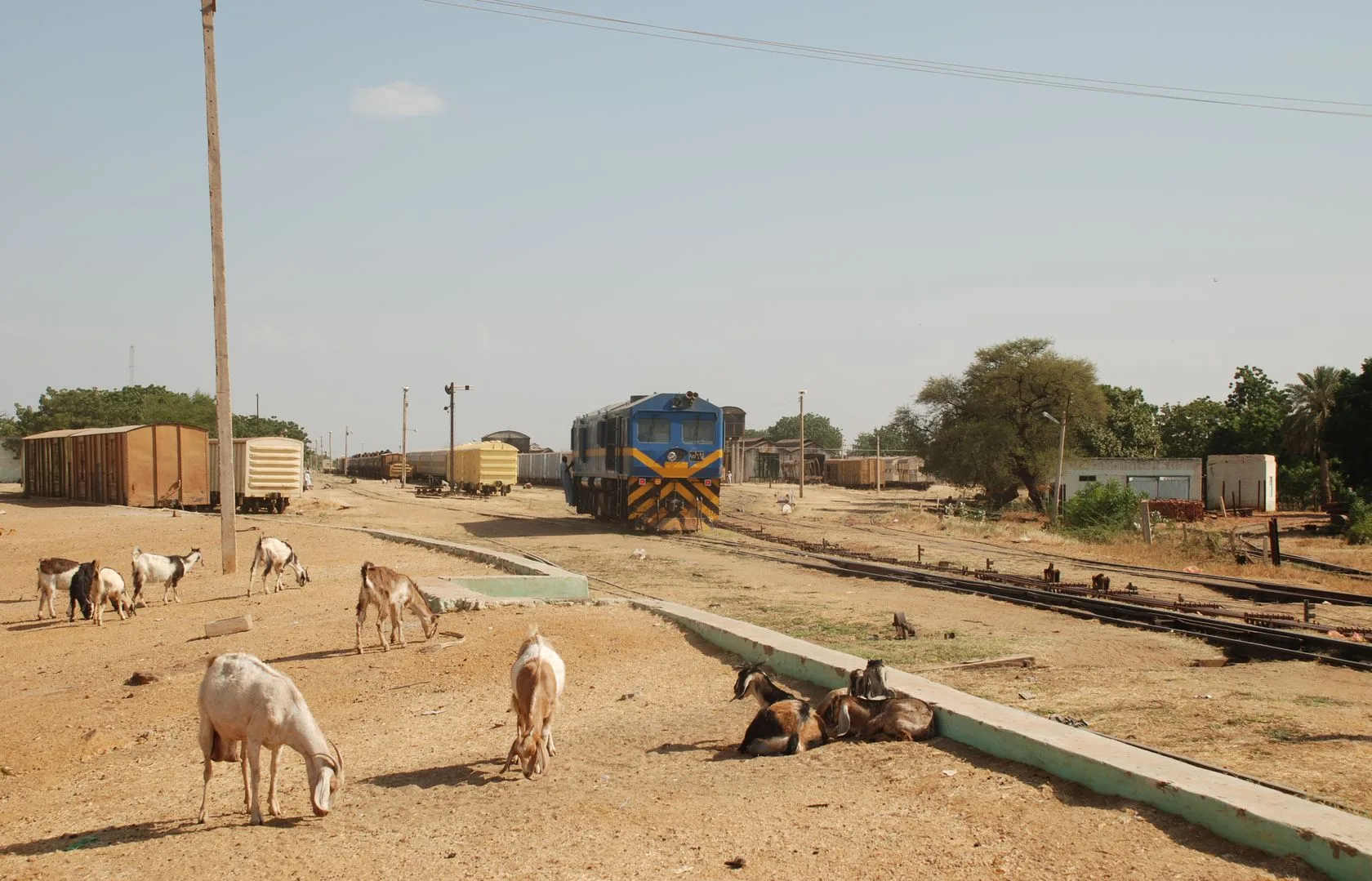
Why is the aid shrinking while the need grows?
Funding, first — and then the war itself. WFP had planned to reach 4.6 million people a month in 2026; the 900,000 people being cut from October to the end of the year include an estimated 500,000 refugees. Money is not the only constraint: UN News reports that insecurity, blocked roads and flood damage are further hampering deliveries as the conflict intensifies. WFP states its requirements two ways, for two different windows, and both are carried here as stated rather than merged: UN News reported an urgent need of $520 million to provide food and nutrition assistance to 5.4 million people through April 2027, while WFP's emergency page states a requirement of US$426 million from October to March 2027, including US$402 million for emergency assistance for 4 million people. Beyond this winter, El Niño threatens to push an additional 1.2 million people into acute hunger by the end of the next lean season in August 2027, WFP says.
The geography of the crisis explains why deliveries fail even where money exists. The famine-risk hotspots WFP names — greater Darfur and greater Kordofan — are the war's western theatres, where insecurity, blocked roads and flood damage hamper deliveries, on UN News' account; UN News' own photo record from the mission shows displaced families sheltering at Daba Naira Camp in Tawilah, in Darfur, and WFP delivering food assistance in Ad Dabba, in Northern State. The 900,000-person cut includes an estimated 500,000 refugees, on WFP's page. Meanwhile the costs of reaching anyone keep rising — WFP ties the near-tripling of sorghum prices and the near-doubling of wheat flour prices partly to disrupted Red Sea shipping routes raising fuel and fertilizer costs, a reminder that Sudan's hunger is being priced by two wars at once: its own, and the one closing the sea lane its food imports travel.
What would turn it around, on WFP's account?
Peace and money, in that order. "For many, WFP is their only hope in a time of unprecedented conflict," Lindberg said. "In the simplest of terms, peace opens the door to food while conflict opens the door to hunger." He called for an end to the fighting and greater international support, and said WFP has teams on the ground ready to scale up if resources arrive. Until they do, the direction of travel is the one this week's numbers describe: a caseload down from more than four million people in August to just over three million, half rations for those who remain, and a famine-risk map centred on Darfur and Kordofan — the same regions where this site's Sudan drone-war explainer documented the fighting that keeps convoys off the roads.
Sources: UN News (12 November 2026, read in full) and the World Food Programme's Sudan emergency page (read in full at wfp.org). Both sources are the UN system's own publications — UN News reporting the WFP Executive Director's first field mission, and WFP's standing emergency page for the hunger, displacement, price and ration figures. The two funding figures ($520 million through April 2027, per UN News; US$426 million for October–March 2027, per WFP's page) are separate appeals for separate windows and are reported separately, not combined. The description of the war's toll ('hundreds of thousands killed') is UN News' wording, attributed as such.