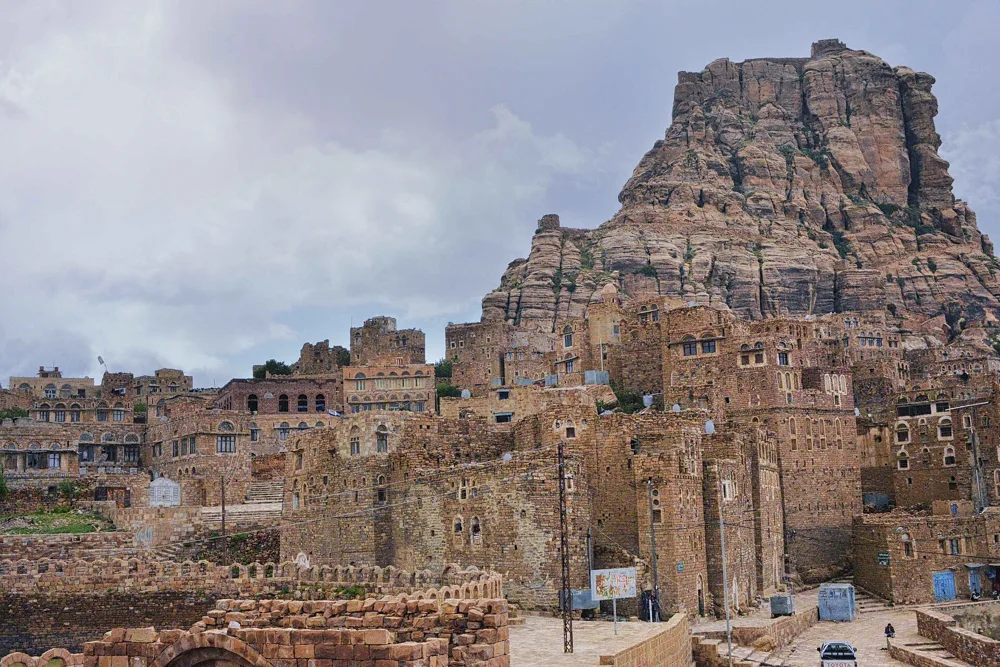
Airstrikes hit homes in the village of al-Shariya, northeast of Yemen's capital Sanaa, on Saturday, killing at least 22 people and wounding 30 others, most of them women and children, a spokesman for the Houthi-run Health Ministry told the Associated Press — and the ministry later raised the death toll to 25, a figure carried by the German press agency DPA. The spokesman, Anees Alasbahi, accused Saudi Arabia of carrying out the strikes. Saudi Arabia had not commented on the report, and the AP said it could not independently verify the claims; the casualty figures published here are the Houthi authorities' figures, attributed as such throughout.
What happened near Sanaa on Saturday?
The strikes hit several homes in al-Shariya, a farming village in the Bani Hushaysh district about 15 kilometres northeast of Sanaa, according to the AP and the Australian Associated Press (AAP). The reported toll rose across the day: the Houthi-run broadcaster al-Masirah first reported 22 people killed — the figure Alasbahi also gave the AP — and the Houthi-controlled Health Ministry later raised the figure to 25, with 30 others injured. That raised figure rests on the ministry's own update carried by a single agency chain, DPA (including its syndication via the AAP); the AP's own reporting remained at 22, and neither figure has been independently confirmed. Alasbahi told the AP that subsequent strikes targeted emergency responders as they worked, and the AAP reported that civilians were still buried under the rubble of the houses hit and that the Houthi-controlled news agency Saba reported renewed strikes against houses and paramedics in the same area. Al-Masirah footage of the village showed the rubble of destroyed houses and dust filling the air as people sheltered in nearby agricultural fields, the AP reported. There was no immediate comment from Saudi Arabia or from the Saudi-led coalition, the AAP and DPA reported.
What happened at the Taiz market on Friday?
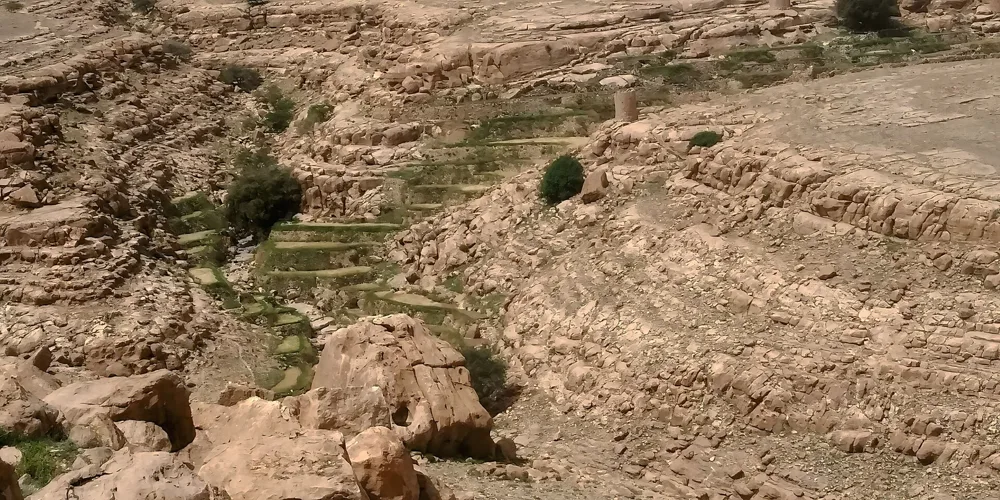
An attack on the al-Hadara market in the al-Waziyah district of southwestern Taiz province on Friday morning killed at least 30 people, according to Houthi officials. Houthi military spokesperson Yahya Saree said three airstrikes hit the market at about 7 a.m., and said the warplanes had taken off from Saudi Arabia's Khamis Mushait air base; he provided no evidence for the claim. The government side gave a different account: authorities in Taiz loyal to Yemen's internationally recognised government blamed the Houthis for the incident and said no airstrike had taken place in the area, while the province's government media office acknowledged in a statement that the busy market had been attacked and that there were casualties, without giving a figure. Saudi Arabia's information ministry did not immediately respond to a request for comment, and the AP said it could not independently verify either side's claims about the market attack.
Why is Yemen's war escalating again?
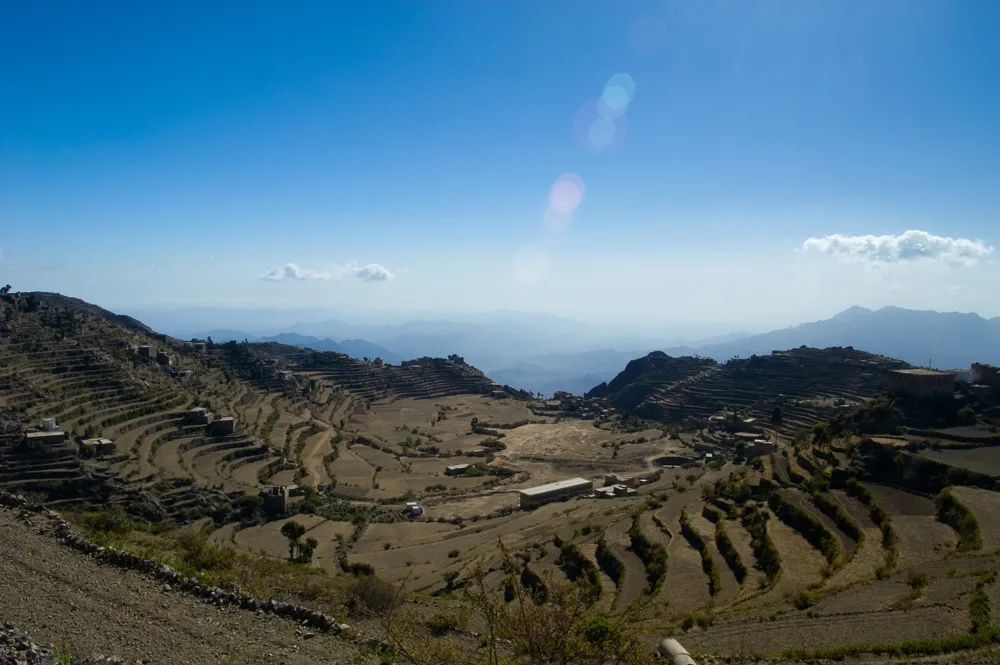
Because the truce that held the war in check for years has collapsed, and both sides are striking deeper. A yearslong truce fell apart over the summer, and fighting has escalated between the Iranian-backed Houthis — who control Sanaa, the north and the west of the country — and their Saudi-backed opponents based in the south and east, the AP reported. In September, the Houthis made a lightning advance capturing much of Yemen's Red Sea coast and strategic islands in the Bab el-Mandeb Strait, encircled the city of Taiz, and stepped up strikes on Saudi Arabia, targeting oil and military infrastructure and shipping in the Red Sea. The air campaign is running in both directions: earlier on Saturday, the Saudi-led coalition announced it had intercepted a cruise missile fired by the Houthis towards the Saudi capital Riyadh, giving no damage or casualties, DPA reported, and pro-government media reported on Saturday that government forces had repulsed a Houthi attack on the al-Aqroud front in Taiz province after fighting that lasted for hours. Neither the Sanaa village toll nor the Taiz market toll has been independently confirmed; both are reported here as the figures given by Houthi officials to the wires, with the Saudi and Yemeni-government positions stated where they were given.
This report is drawn from the Associated Press's November 7, 2026 reporting, opened and read in full via an AP wire carrier and via a summary of its Friday Taiz report, from the Australian Associated Press's November 7 report opened in full on aapnews.aap.com.au, and from DPA's November 7 report opened in full via the Euronews carrier. Casualty figures for both attacks are the Houthi authorities' figures, attributed as such; attribution of both attacks is contested or unconfirmed, and each side's account is published as it stated it, per the two-source rule.